Items filtered by date: August 2026
Podiatric Care for Athlete’s Foot
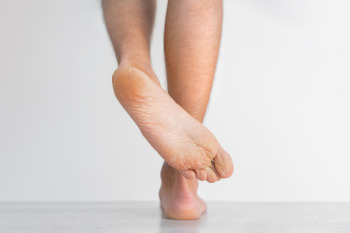
Athlete’s foot is a fungal skin infection that can make the feet itchy and uncomfortable. The medical name is tinea pedis, but athlete’s foot is easier to recognize. The fungus grows well in warm, damp places. Public showers, locker rooms, and areas around swimming pools can provide conditions where it spreads. People can pick up the fungus by walking barefoot on contaminated surfaces. Damp towels can also carry it. Sweaty feet can increase the risk because moisture creates an environment where fungus can grow.
Athlete’s foot can cause redness, flaking, and peeling skin. The skin can also crack or feel itchy, while some patients notice stinging or burning. Symptoms usually develop on the soles or between the toes. In some cases, the infection can affect the toenails. An infected nail can become thick, discolored, or brittle. Athlete’s foot can spread and become harder to treat when it is left untreated. Because other skin problems can resemble a fungal infection, getting an accurate diagnosis is important before treatment begins.
A podiatrist can examine the feet and determine whether the symptoms are consistent with athlete’s foot. Treatment can include antifungal medication that targets the fungus causing the infection. A podiatrist can also assess toenail changes and check whether the infection has spread to other areas. Professional care is especially useful when symptoms persist, return, or become more uncomfortable. A podiatrist can provide guidance on reducing moisture and limiting exposure to environments where the fungus can spread. This can help lower the chance of another infection after treatment and protect the skin from continued irritation or damage. If you have symptoms of athlete’s foot, it is suggested that you schedule an appointment with a podiatrist for diagnosis and treatment.
Athlete’s foot is an inconvenient condition that can be easily reduced with the proper treatment. If you have any concerns about your feet and ankles, contact Joseph Creswell, DPM from Practice. Our practitioner will treat your foot and ankle needs.
Athlete’s Foot: The Sole Story
Athlete's foot, also known as tinea pedis, can be an extremely contagious foot infection. It is commonly contracted in public changing areas and bathrooms, dormitory style living quarters, around locker rooms and public swimming pools, or anywhere your feet often come into contact with other people.
Solutions to Combat Athlete’s Foot
- Hydrate your feet by using lotion
- Exfoliate
- Buff off nails
- Use of anti-fungal products
- Examine your feet and visit your doctor if any suspicious blisters or cuts develop
Athlete’s foot can cause many irritating symptoms such as dry and flaking skin, itching, and redness. Some more severe symptoms can include bleeding and cracked skin, intense itching and burning, and even pain when walking. In the worst cases, Athlete’s foot can cause blistering as well. Speak to your podiatrist for a better understanding of the different causes of Athlete’s foot, as well as help in determining which treatment options are best for you.
If you have any questions please feel free to contact our office located in Wallace, ID . We offer the newest diagnostic and treatment technologies for all your foot and ankle needs.
Prevention of Foot Stress Fractures for Active Lifestyles

A foot stress fracture is a small crack in one of the bones of the foot caused by repeated stress over time. Unlike a sudden break from a major injury, stress fractures usually develop gradually from repetitive trauma and increased pressure on the bones. They commonly affect athletes, runners, and individuals who increase activity levels too quickly. When bones do not have enough time to recover between activities, tiny cracks can form and worsen. Understanding the causes and warning signs of stress fractures is important for preventing more serious injuries.
Symptoms of a foot stress fracture often include localized pain that develops during activity and improves with rest in the early stages. As the injury progresses, pain may become more constant and affect daily walking. Swelling, tenderness, and sensitivity when pressing on the affected area are also common. Some individuals notice difficulty bearing weight or a change in their activity level due to discomfort. Unlike general soreness, stress fracture pain usually becomes more noticeable with continued activity and should not be ignored.
Several risk factors increase the likelihood of developing foot stress fractures. High-impact sports such as running, basketball, and gymnastics place repeated stress on the bones. Increasing training frequency too quickly or exercising without enough recovery time can contribute to injury. Irregular running surfaces may create uneven pressure throughout the foot. Additional risk factors include poor physical health, low bone density, and female gender, especially when bone strength is affected by nutritional or hormonal factors. These conditions can reduce the ability of bones to handle repeated impact.
Preventing foot stress fractures requires gradual training increases, wearing proper footwear, and adequate recovery between activities. Maintaining strong bones through proper nutrition and healthy lifestyle habits can also reduce risk. If you have developed a foot stress fracture, it is suggested that you consult a podiatrist for effective relief and treatment solutions.
Activities where too much pressure is put on the feet can cause stress fractures. To learn more, contact Joseph Creswell, DPM from Practice. Our practitioner can provide the care you need to keep your pain free and on your feet.
Dealing with Stress Fractures of the Foot and Ankle
Stress fractures occur in the foot and ankle when muscles in these areas weaken from too much or too little use. The feet and ankles then lose support when walking or running from the impact of the ground. Since there is no protection, the bones receive the full impact of each step. Stress on the feet can cause cracks to form in the bones, thus creating stress fractures.
What Are Stress Fractures?
Stress fractures occur frequently in individuals whose daily activities cause great impact on the feet and ankles. Stress factors are most common among:
- Runners
- People affected with Osteoporosis
- Tennis or basketball players
- Gymnasts
- High impact workouts
Symptoms
Pain from the fractures occur in the area of the fractures and can be constant or intermittent. It will often cause sharp or dull pain with swelling and tenderness. Engaging in any kind of activity which involves high impact will aggravate pain.
If you have any questions please contact our office located in Wallace, ID . We offer the newest diagnostic and treatment technologies for all your foot and ankle needs.
Ingrown Toenails and Surgical Treatment Options

Ingrown toenails are a common foot condition in which the edge of the nail grows into the surrounding skin. This often affects the big toe and can lead to pain, redness, and swelling. Causes include improper nail trimming, wearing tight fitting shoes, and genetic nail shape. When pressure forces the nail into the skin, irritation and inflammation develop, which may progress to infection if left untreated. This condition is frequently seen in individuals who wear narrow shoes or participate in activities that stress the toes.
Symptoms of ingrown toenails include tenderness along the nail border, swelling, and localized warmth. As the condition worsens, drainage, infection, and increased pain may occur. Risk factors include poor foot hygiene, curved nails, and excessive sweating. Individuals with diabetes or circulation issues may face a higher risk of complications. Early management can often relieve symptoms, but advanced cases may require surgical intervention to correct the problem.
Surgery becomes necessary when conservative treatments fail or when infection persists. Nail avulsion involves removing part or all of the nail to relieve pressure and allow healing. Wedge excision removes a portion of the nail and surrounding tissue to prevent recurrence and nail-bed ablation targets the growth center of the nail to stop regrowth in severe cases. Additionally, the Zadek procedure is a more advanced technique that removes the nail matrix entirely, providing a long-term solution for chronic conditions.
Proper treatment can restore comfort and prevent recurring issues. Wearing well-fitted shoes, maintaining good nail care, and addressing symptoms early can reduce risk. Surgical options are safe and effective when performed by a podiatrist. If you have an ingrown toenail that needs surgery, it is suggested that you consult a podiatrist for appropriate treatment solutions, which may include minor surgery.
Foot surgery is sometimes necessary to treat a foot ailment. To learn more, contact Joseph Creswell, DPM of Practice. Our practitioner will assist you with all of your foot and ankle needs.
When Is Surgery Necessary?
Foot and ankle surgery is generally reserved for cases in which less invasive, conservative procedures have failed to alleviate the problem. Some of the cases in which surgery may be necessary include:
- Removing foot deformities like bunions and bone spurs
- Severe arthritis that has caused bone issues
- Cosmetic reconstruction
What Types of Surgery Are There?
The type of surgery you receive will depend on the nature of the problem you have. Some of the possible surgeries include:
- Bunionectomy for painful bunions
- Surgical fusion for realignment of bones
- Neuropathy decompression surgery to treat nerve damage
Benefits of Surgery
Although surgery is usually a last resort, it can provide more complete pain relief compared to non-surgical methods and may allow you to finally resume full activity.
Surgical techniques have also become increasingly sophisticated. Techniques like endoscopic surgery allow for smaller incisions and faster recovery times.
If you have any questions, please feel free to contact our office located in Wallace, ID . We offer the newest diagnostic and treatment technologies for all your foot care needs.
