Items filtered by date: March 2026
Achilles Tendon Injuries in Soccer Players

Achilles tendon injuries are common among soccer players due to repetitive running, sudden acceleration, and frequent jumping. Achilles tendinopathies refer to chronic irritation or degeneration of the tendon, often resulting in pain, swelling, and reduced performance. Mid portion Achilles tendinopathy affects the middle section of the tendon and typically develops from overuse, while insertion Achilles tendinopathy occurs where the tendon attaches to the heel bone and may involve inflammation or bone spurs. Symptoms may include stiffness, tenderness, swelling, and difficulty with explosive movements. A podiatrist can evaluate the extent of injury, provide targeted treatment, including orthotics, activity modification, and recommend surgical options, if necessary. If you have sustained an Achilles tendon injury, it is suggested that you consult a podiatrist who can accurately diagnose the problem, and offer effective treatment solutions.
Achilles tendon injuries need immediate attention to avoid future complications. If you have any concerns, contact Joseph Creswell, DPM of Practice. Our practitioner can provide the care you need to keep you pain-free and on your feet.
What Is the Achilles Tendon?
The Achilles tendon is a tendon that connects the lower leg muscles and calf to the heel of the foot. It is the strongest tendon in the human body and is essential for making movement possible. Because this tendon is such an integral part of the body, any injuries to it can create immense difficulties and should immediately be presented to a doctor.
What Are the Symptoms of an Achilles Tendon Injury?
There are various types of injuries that can affect the Achilles tendon. The two most common injuries are Achilles tendinitis and ruptures of the tendon.
Achilles Tendinitis Symptoms
- Inflammation
- Dull to severe pain
- Increased blood flow to the tendon
- Thickening of the tendon
Rupture Symptoms
- Extreme pain and swelling in the foot
- Total immobility
Treatment and Prevention
Achilles tendon injuries are diagnosed by a thorough physical evaluation, which can include an MRI. Treatment involves rest, physical therapy, and in some cases, surgery. However, various preventative measures can be taken to avoid these injuries, such as:
- Thorough stretching of the tendon before and after exercise
- Strengthening exercises like calf raises, squats, leg curls, leg extensions, leg raises, lunges, and leg presses
If you have any questions please feel free to contact our office located in Wallace, ID . We offer the newest diagnostic tools and technology to treat your foot and ankle needs.
When a Simple Blister Disrupts Foot Comfort

Foot blisters may seem minor at first, but they can quickly create discomfort that interferes with walking and daily activity. A blister forms when repeated friction irritates the outer layer of skin and fluid collects beneath the surface. This often occurs during long walks, exercise, or when shoes rub against the heel, toes, or ball of the foot. Warm, moist conditions inside shoes can make the skin softer and more vulnerable to friction. If a blister becomes large or breaks open, the exposed skin may become sore and more likely to develop infection. Wearing properly fitted shoes, choosing moisture wicking socks, and keeping feet clean and dry can help reduce friction and protect the skin. Protective padding may also help prevent pressure on sensitive areas. When foot blisters occur often or become painful, it is suggested that a podiatrist evaluate the problem and recommend appropriate treatment.
Blisters may appear as a single bubble or in a cluster. They can cause a lot of pain and may be filled with pus, blood, or watery serum. If your feet are hurting, contact Joseph Creswell, DPM of Practice. Our practitioner can provide the care you need to keep you pain-free and on your feet.
Foot Blisters
Foot blisters are often the result of friction. This happens due to the constant rubbing from shoes, which can lead to pain.
What Are Foot Blisters?
A foot blister is a small fluid-filled pocket that forms on the upper-most layer of the skin. Blisters are filled with clear fluid and can lead to blood drainage or pus if the area becomes infected.
Symptoms
(Blister symptoms may vary depending on what is causing them)
- Bubble of skin filled with fluid
- Redness
- Moderate to severe pain
- Itching
Prevention & Treatment
In order to prevent blisters, you should be sure to wear comfortable shoes with socks that cushion your feet and absorb sweat. Breaking a blister open may increase your chances of developing an infection. However, if your blister breaks, you should wash the area with soap and water immediately and then apply a bandage to the affected area. If your blisters cause severe pain it is important that you call your podiatrist right away.
If you have any questions, please feel free to contact our office located in Wallace, ID . We offer the newest diagnostic and treatment technologies for all your foot care needs.
Helping Children With Ingrown Toenails

Ingrown toenails are common in children and can cause surprising discomfort. This problem occurs when the edge of the nail grows into the surrounding skin. Wearing tight shoes, improper nail trimming, and sports injuries are frequent causes. Early signs include redness, swelling, and tenderness along the nail border. If bacteria enter the area, drainage and increased pain may develop. Treatment depends on how advanced the condition is. Mild cases may improve with warm water soaks, gentle lifting of the nail edge, and wearing wider shoes. It is important to trim nails straight across rather than rounding the corners. When infection or severe pain is present, a podiatrist may carefully remove a portion of the nail to relieve pressure and allow healing. Prompt care prevents complications and helps children return to normal activities quickly. If your child has ongoing toe pain or signs of infection, it is suggested that you see a podiatrist for a proper diagnosis and appropriate treatment.
Ingrown toenails can become painful if they are not treated properly. For more information about ingrown toenails, contact Joseph Creswell, DPM of Practice. Our practitioner can provide the care you need to keep you pain-free and on your feet.
Ingrown Toenails
Ingrown toenails occur when a toenail grows sideways into the bed of the nail, causing pain, swelling, and possibly infection.
Causes
- Bacterial infections
- Improper nail cutting such as cutting it too short or not straight across
- Trauma to the toe, such as stubbing, which causes the nail to grow back irregularly
- Ill-fitting shoes that bunch the toes too close together
- Genetic predisposition
Prevention
Wearing proper fitting shoes and using proper cutting techniques will also help decrease your risk of developing ingrown toenails.
Treatment
Ingrown toenails are a very treatable foot condition. In minor cases, soaking the affected area in salt or antibacterial soaps will not only help with the ingrown nail itself, but also help prevent any infections from occurring. In more severe cases, surgery is an option. In either case, speaking to your podiatrist about this condition will help you get a better understanding of specific treatment options that are right for you.
If you have any questions, please feel free to contact our office located in Wallace, ID . We offer the newest diagnostic and treatment technologies for all your foot care needs.
Swollen Feet Can Signal Something More
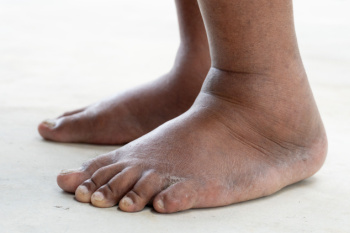
Swollen feet can develop gradually or appear suddenly, and they often indicate that fluid is building up in the tissues. This condition, known as edema, may result from standing for long periods, hot weather, pregnancy, or wearing tight shoes. Injury, infection, and inflammation can also cause one foot to swell. In some cases, swelling in both feet may be linked to circulation problems, vein disorders, heart conditions, or kidney concerns. The skin may look stretched or shiny, and pressing on the area can leave a temporary indentation. Swelling may feel tight, heavy, or uncomfortable, especially at the end of the day. A podiatrist begins with a careful examination to determine whether the cause is local, such as tendon or joint inflammation, or related to a broader medical issue. Treatment depends on the source and may include supportive footwear, compression, elevation, and targeted exercises. If you have swollen feet, it is suggested that you make an appointment with a podiatrist for proper evaluation and care.
Swollen feet can be a sign of an underlying condition. If you have any concerns, contact Joseph Creswell, DPM of Practice. Our practitioner can provide the care you need to keep you pain-free and on your feet.
Swollen feet are a common ailment among pregnant women and people who stand or sit for extended periods. Aging may increase the possibility of swollen feet and patients who are obese often notice when their feet are swelling too. There may be medical reasons why swollen feet occur:
- Phlebitis - A condition that causes the veins to become inflamed and can also cause leg pain.
- Liver disease - This may lead to low blood levels of albumin which is a protein. This can cause fluid in the blood to pass into the tissues and several areas of the body can become swollen.
- Heart failure - When the heart doesn’t pump properly the blood that is normally pumped back to the heart can pool in the veins of the legs causing swollen feet.
- Kidney disease - One of the main functions of the kidneys is releasing excess fluid in the body. This type of condition can make it difficult for the kidneys to function properly, and as a result the feet may become swollen.
- Deep-vein thrombosis (DVT)- This is a serious condition where blood clots form in the veins of the legs. They can block the return of blood from the legs to the heart which may cause the feet to swell. It is important to be treated by a podiatrist if this condition is present.
Swollen feet can also be caused by bone and tendon conditions, including fractures, arthritis, and tendinitis. Additionally, there may be skin and toenail conditions and an infection may cause the feet to swell. Patients who take medicine to treat high blood pressure may be prone to getting swollen feet.
Many patients elevate their feet to help relieve the swelling and this is generally a temporary remedy. When a podiatrist is consulted the reason behind the swelling can be uncovered and subsequently treated.
If you have any questions please contact our office located in Wallace, ID . We offer the newest diagnostic and treatment technologies for all your foot and ankle needs.
Let the Expert Treat Your Ingrown Toenails

Ingrown toenails can be painful and can make wearing shoes or walking uncomfortable. Seek professional help if you believe you've developed an ingrown toenail and be treated safely.
When Anterior Ankle Impingement Limits Movement
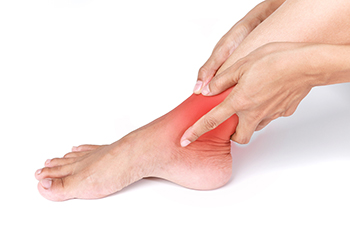
Anterior ankle impingement occurs when soft tissue or bone at the front of the ankle becomes compressed during motion. It is often linked to repeated ankle sprains, high-impact activities, or long-standing joint irritation. People may notice pain at the front of the ankle when walking uphill, squatting, or bending the foot upward. Swelling, stiffness, and a feeling of blockage during movement are also common. Over time, this condition can alter gait and place added strain on surrounding structures of the foot and lower leg. Early management may include rest, footwear changes, bracing, or targeted therapy to reduce irritation and restore smoother motion. In some cases, ongoing compression requires more advanced care. If ankle pain, stiffness, or limited movement persists, it is suggested that you see a podiatrist for a proper diagnosis and appropriate treatment.
Ankle pain can have many different causes and the pain may potentially be serious. If you have ankle pain, consult with Joseph Creswell, DPM from Practice. Our practitioner will assess your condition and provide you with quality foot and ankle treatment.
Ankle pain is any condition that causes pain in the ankle. Due to the fact that the ankle consists of tendons, muscles, bones, and ligaments, ankle pain can come from a number of different conditions.
Causes
The most common causes of ankle pain include:
- Types of arthritis (rheumatoid, osteoarthritis, and gout)
- Ankle sprains
- Broken ankles
- Achilles tendinitis
- Achilles tendon rupture
- Stress fractures
- Tarsal tunnel syndrome
- Plantar fasciitis
Symptoms
Symptoms of ankle injury vary based upon the condition. Pain may include general pain and discomfort, swelling, aching, redness, bruising, burning or stabbing sensations, and/or loss of sensation.
Diagnosis
Due to the wide variety of potential causes of ankle pain, podiatrists will utilize a number of different methods to properly diagnose ankle pain. This can include asking for personal and family medical histories and of any recent injuries. Further diagnosis may include sensation tests, a physical examination, and potentially x-rays or other imaging tests.
Treatment
Just as the range of causes varies widely, so do treatments. Some more common treatments are rest, ice packs, keeping pressure off the foot, orthotics and braces, medication for inflammation and pain, and surgery.
If you have any questions please feel free to contact our office located in Wallace, ID . We offer the newest diagnostic tools and technology to treat your foot and ankle needs.
