Items filtered by date: December 2025
Causes of Swollen Feet During Pregnancy

Swollen feet in pregnancy are very common and often occur when the body holds extra fluid and pressure increases on the veins in the legs. Hormonal changes, warm weather, and standing for long periods of time can make swelling worse and may lead to discomfort or a heavy feeling in the feet and ankles. Preventing swelling can include drinking plenty of water, staying active with gentle movement, and avoiding long periods of standing or sitting in one position. Wearing supportive shoes can also make a difference. A podiatrist can assess your feet, recommend safe ways to manage swelling, and provide guidance on footwear and orthotics that improve comfort. If swelling from pregnancy is affecting your daily routine, it is suggested that you schedule an appointment with a podiatrist who can offer effective relief tips.
Pregnant women with swollen feet can be treated with a variety of different methods that are readily available. For more information about other cures for swollen feet during pregnancy, consult with Joseph Creswell, DPM from Practice. Our practitioner will attend to all of your foot and ankle needs.
What Foot Problems Can Arise During Pregnancy?
One problem that can occur is overpronation, which occurs when the arch of the foot flattens and tends to roll inward. This can cause pain and discomfort in your heels while you’re walking or even just standing up, trying to support your baby.
Another problem is edema, or swelling in the extremities. This often affects the feet during pregnancy but tends to occur in the later stages.
How Can I Keep My Feet Healthy During Pregnancy?
- Wearing orthotics can provide extra support for the feet and help distribute weight evenly
- Minimize the amount of time spent walking barefoot
- Wear shoes with good arch support
- Wear shoes that allow for good circulation to the feet
- Elevate feet if you experience swelling
- Massage your feet
- Get regular, light exercise, such as walking, to promote blood circulation to the feet
If you have any questions, please feel free to contact our office located in Wallace, ID . We offer the newest diagnostic and treatment technologies for all your foot care needs.
Keep Your Feet Healthy So You Can Stay Active

Have your feet inspected by a professional before starting a new sport or physical activity. Taking charge of your foot health will keep you in good physical condition and can help you avoid a potential injury, such as a fracture or sprained ankle.
Prevent injuries and see a foot specialist.
Common Reasons Foot Pain Develops
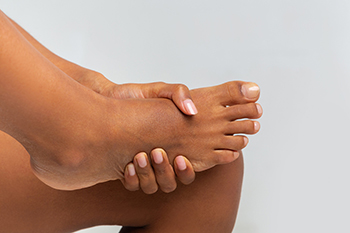
Foot pain can arise from many different sources, and understanding the cause is the first step toward finding relief. Overuse from long hours on your feet, wearing unsupportive footwear, or sudden increases in activity can strain the muscles, tendons, and ligaments. Conditions such as plantar fasciitis, tendon injuries, arthritis, nerve irritation, or stress fractures can also create discomfort that builds gradually or appears suddenly. Some individuals experience pain from structural issues like flat feet or high arches, while others notice soreness linked to corns, calluses, or nail problems. Because the feet work hard with every step, even minor concerns can interfere with daily movement, if ignored. Paying attention to early signs helps prevent more serious problems from developing. If your foot pain persists, worsens, or affects the way you walk, it is suggested that you schedule an appointment with a podiatrist for further evaluation.
Foot Pain
Foot pain can be extremely painful and debilitating. If you have a foot pain, consult with Joseph Creswell, DPM from Practice. Our practitioner will assess your condition and provide you with quality foot and ankle treatment.
Causes
Foot pain is a very broad condition that could be caused by one or more ailments. The most common include:
- Bunions
- Hammertoes
- Plantar Fasciitis
- Bone Spurs
- Corns
- Tarsal Tunnel Syndrome
- Ingrown Toenails
- Arthritis (such as Gout, Rheumatoid, and Osteoarthritis)
- Flat Feet
- Injury (from stress fractures, broken toe, foot, ankle, Achilles tendon ruptures, and sprains)
- And more
Diagnosis
To figure out the cause of foot pain, podiatrists utilize several different methods. This can range from simple visual inspections and sensation tests to X-rays and MRI scans. Prior medical history, family medical history, and any recent physical traumatic events will all be taken into consideration for a proper diagnosis.
Treatment
Treatment depends upon the cause of the foot pain. Whether it is resting, staying off the foot, or having surgery; podiatrists have a number of treatment options available for foot pain.
If you have any questions, please feel free to contact our office located in Wallace, ID . We offer the newest diagnostic and treatment technologies for all your foot care needs.
A Closer Look at a Torn Achilles Tendon

An Achilles tendon rupture often occurs suddenly and may feel like a sharp snap or pop in the back of the lower leg. Many people describe an immediate sense of being kicked or struck, followed by difficulty putting weight on the foot. Pain can be intense at first, then shift to a deep aching sensation. Swelling, bruising, and weakness often develop quickly, and pointing the toes downward may feel difficult or impossible. Some individuals notice a small gap or soft spot along the tendon where the tear occurred. Daily movements such as walking, climbing stairs, or pushing off the ball of the foot become challenging. Quick recognition is important because early treatment supports healing and helps protect long-term function. If you have sudden pain, weakness, or loss of movement in the back of the leg, it is suggested that you see a podiatrist for a proper diagnosis and appropriate treatment.
Achilles tendon injuries need immediate attention to avoid future complications. If you have any concerns, contact Joseph Creswell, DPM of Practice. Our practitioner can provide the care you need to keep you pain-free and on your feet.
What Is the Achilles Tendon?
The Achilles tendon is a tendon that connects the lower leg muscles and calf to the heel of the foot. It is the strongest tendon in the human body and is essential for making movement possible. Because this tendon is such an integral part of the body, any injuries to it can create immense difficulties and should immediately be presented to a doctor.
What Are the Symptoms of an Achilles Tendon Injury?
There are various types of injuries that can affect the Achilles tendon. The two most common injuries are Achilles tendinitis and ruptures of the tendon.
Achilles Tendinitis Symptoms
- Inflammation
- Dull to severe pain
- Increased blood flow to the tendon
- Thickening of the tendon
Rupture Symptoms
- Extreme pain and swelling in the foot
- Total immobility
Treatment and Prevention
Achilles tendon injuries are diagnosed by a thorough physical evaluation, which can include an MRI. Treatment involves rest, physical therapy, and in some cases, surgery. However, various preventative measures can be taken to avoid these injuries, such as:
- Thorough stretching of the tendon before and after exercise
- Strengthening exercises like calf raises, squats, leg curls, leg extensions, leg raises, lunges, and leg presses
If you have any questions please feel free to contact our office located in Wallace, ID . We offer the newest diagnostic tools and technology to treat your foot and ankle needs.
When a Small Sore Becomes a Serious Concern
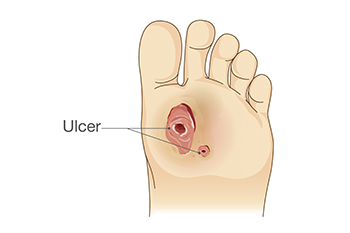
A diabetic foot ulcer is an open wound that develops when high blood sugar levels affect circulation and nerve function in the feet. These changes make the skin more vulnerable to injury and slow the body’s ability to heal. Ulcers often begin as a small blister, callus, or unnoticed cut, especially in areas that bear pressure. As sensation decreases, many people do not feel pain, allowing the wound to worsen before it is discovered. Early recognition is essential because untreated ulcers can lead to infection and more complex complications. Regular foot checks, proper footwear, and prompt attention to any skin changes help protect overall foot health. A podiatrist can evaluate the ulcer, determine its severity, and recommend appropriate treatment to promote healing. If you notice an open sore on your foot, it is suggested that you see a podiatrist for timely care.
Wound care is an important part in dealing with diabetes. If you have diabetes and a foot wound or would like more information about wound care for diabetics, consult with Joseph Creswell, DPM from Practice. Our practitioner will assess your condition and provide you with quality foot and ankle treatment.
What Is Wound Care?
Wound care is the practice of taking proper care of a wound. This can range from the smallest to the largest of wounds. While everyone can benefit from proper wound care, it is much more important for diabetics. Diabetics often suffer from poor blood circulation which causes wounds to heal much slower than they would in a non-diabetic.
What Is the Importance of Wound Care?
While it may not seem apparent with small ulcers on the foot, for diabetics, any size ulcer can become infected. Diabetics often also suffer from neuropathy, or nerve loss. This means they might not even feel when they have an ulcer on their foot. If the wound becomes severely infected, amputation may be necessary. Therefore, it is of the upmost importance to properly care for any and all foot wounds.
How to Care for Wounds
The best way to care for foot wounds is to prevent them. For diabetics, this means daily inspections of the feet for any signs of abnormalities or ulcers. It is also recommended to see a podiatrist several times a year for a foot inspection. If you do have an ulcer, run the wound under water to clear dirt from the wound; then apply antibiotic ointment to the wound and cover with a bandage. Bandages should be changed daily and keeping pressure off the wound is smart. It is advised to see a podiatrist, who can keep an eye on it.
If you have any questions please contact our office located in Wallace, ID . We offer the newest diagnostic and treatment technologies for all your foot and ankle needs.
Symptoms and Treatment of Bunions
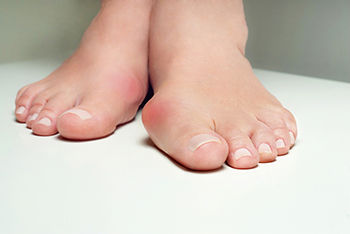
A bunion develops when the big toe gradually shifts toward the smaller toes, causing a noticeable bump on the side of the foot and irritation around the big toe joint. This change, known medically as hallux valgus, often leads to soreness in the toes, redness around the joint, and areas of thickened skin under the ball of the foot. Some people experience numbness if nearby nerves become irritated, and stiffness in the big toe can make walking uncomfortable. Shoes that lack adequate support or have narrow designs often increase pressure on the joint. A podiatrist can evaluate the alignment of the toes, check joint movement, and recommend a treatment plan. Supportive footwear with a wide toe box, custom orthotics, and padding can ease pressure on the joint, while surgery corrects the underlying misalignment when pain is severe. If you have a painful bunion, it is suggested that you make an appointment with a podiatrist for a diagnosis and treatment.
If you are suffering from bunion pain, contact Joseph Creswell, DPM of Practice. Our practitioner can provide the care you need to keep you pain-free and on your feet.
What Is a Bunion?
Bunions are painful bony bumps that usually develop on the inside of the foot at the joint of the big toe. As the deformity increases over time, it may become painful to walk and wear shoes. Women are more likely to exacerbate existing bunions since they often wear tight, narrow shoes that shift their toes together. Bunion pain can be relieved by wearing wider shoes with enough room for the toes.
Causes
- Genetics – some people inherit feet that are more prone to bunion development
- Inflammatory Conditions - rheumatoid arthritis and polio may cause bunion development
Symptoms
- Redness and inflammation
- Pain and tenderness
- Callus or corns on the bump
- Restricted motion in the big toe
In order to diagnose your bunion, your podiatrist may ask about your medical history, symptoms, and general health. Your doctor might also order an x-ray to take a closer look at your feet. Nonsurgical treatment options include orthotics, padding, icing, changes in footwear, and medication. If nonsurgical treatments don’t alleviate your bunion pain, surgery may be necessary.
If you have any questions, please feel free to contact our office located in Wallace, ID . We offer the newest diagnostic and treatment technologies for all your foot care needs.
