Items filtered by date: February 2026
Peripheral Neuropathy and Fall Risk in the Elderly

Peripheral neuropathy affects the nerves that carry sensation from the feet and legs to the brain. In older adults, this condition often reduces the ability to feel the ground, notice uneven surfaces, or sense pressure changes. When balance feedback is dulled, walking becomes less stable, and the risk of falls rises. Falls in the elderly can lead to fractures, loss of independence, and long recovery periods. Neuropathy may be caused by diabetes, vitamin deficiencies, circulation problems, or certain medications. Symptoms can include numbness, tingling, burning pain, or weakness that worsens over time. Wearing supportive footwear, balance training, and early treatment may help lower fall risk. When numbness, frequent stumbles, or unexplained foot changes appear, it is suggested that you see a podiatrist for a proper diagnosis and appropriate treatment.
Neuropathy
Neuropathy can be a potentially serious condition, especially if it is left undiagnosed. If you have any concerns that you may be experiencing nerve loss in your feet, consult with Joseph Creswell, DPM from Practice. Our practitioner will assess your condition and provide you with quality foot and ankle treatment for neuropathy.
What Is Neuropathy?
Neuropathy is a condition that leads to damage to the nerves in the body. Peripheral neuropathy, or neuropathy that affects your peripheral nervous system, usually occurs in the feet. Neuropathy can be triggered by a number of different causes. Such causes include diabetes, infections, cancers, disorders, and toxic substances.
Symptoms of Neuropathy Include:
- Numbness
- Sensation loss
- Prickling and tingling sensations
- Throbbing, freezing, burning pains
- Muscle weakness
Those with diabetes are at serious risk due to being unable to feel an ulcer on their feet. Diabetics usually also suffer from poor blood circulation. This can lead to the wound not healing, infections occurring, and the limb may have to be amputated.
Treatment
To treat neuropathy in the foot, podiatrists will first diagnose the cause of the neuropathy. Figuring out the underlying cause of the neuropathy will allow the podiatrist to prescribe the best treatment, whether it be caused by diabetes, toxic substance exposure, infection, etc. If the nerve has not died, then it’s possible that sensation may be able to return to the foot.
Pain medication may be issued for pain. Electrical nerve stimulation can be used to stimulate nerves. If the neuropathy is caused from pressure on the nerves, then surgery may be necessary.
If you have any questions, please feel free to contact our office located in Wallace, ID . We offer the newest diagnostic and treatment technologies for all your foot care needs.
Foot and Ankle Biomechanics
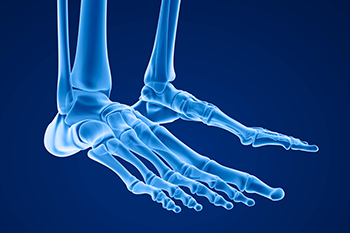
Foot and ankle biomechanics play a vital role in the efficiency of walking and running. Proper movement of the hindfoot allows shock absorption and alignment at initial contact, while the midfoot provides stability and adapts to surface changes. The forefoot then generates propulsion and forward momentum during toe off. When these regions do not work together effectively, poor foot biomechanics can develop leading to decreased performance in sports and everyday life and a higher risk of lower extremity injuries, such as plantar fasciitis, shin splints, and knee pain. A podiatrist can evaluate gait mechanics, identify imbalances, and recommend custom orthotics, footwear guidance, and targeted treatment to improve function and reduce injury risk. If you have foot pain from walking or running, it is suggested that you consult a podiatrist who can treat various foot conditions, and guide you on suitable footwear for your desired activity.
If you have any concerns about your feet, contact Joseph Creswell, DPM from Practice. Our practitioner can provide the care you need to keep you pain-free and on your feet.
Biomechanics in Podiatry
Podiatric biomechanics is a particular sector of specialty podiatry with licensed practitioners who are trained to diagnose and treat conditions affecting the foot, ankle and lower leg. Biomechanics deals with the forces that act against the body, causing an interference with the biological structures. It focuses on the movement of the ankle, the foot and the forces that interact with them.
A History of Biomechanics
- Biomechanics dates back to the BC era in Egypt where evidence of professional foot care has been recorded.
- In 1974, biomechanics gained a higher profile from the studies of Merton Root, who claimed that by changing or controlling the forces between the ankle and the foot, corrections or conditions could be implemented to gain strength and coordination in the area.
Modern technological improvements are based on past theories and therapeutic processes that provide a better understanding of podiatric concepts for biomechanics. Computers can provide accurate information about the forces and patterns of the feet and lower legs.
Understanding biomechanics of the feet can help improve and eliminate pain, stopping further stress to the foot.
If you have any questions please feel free to contact our office located in Wallace, ID . We offer the newest diagnostic and treatment technologies for all your foot and ankle needs.
Non-Injury Causes of Foot Pain

Non-injury foot pain refers to discomfort that develops without a clear cause and can appear suddenly during daily activities or even at rest. This type of foot pain may feel sharp, burning, aching, or electric in nature. Common causes include inflammation of soft tissues like the plantar fascia or foot tendons, irritation or compression of nerves, and small stress fractures from repetitive loading. Joint conditions like arthritis or gout, and nerve thickening between the toes, known as Morton’s neuroma, are other causes. Symptoms can involve heel or arch pain, pinpoint tenderness on the top or bottom of the foot, or swelling in one foot. Big toe pain, or tingling and numbness are other symptoms. A podiatrist can evaluate foot structure, biomechanics, gait patterns, and use imaging or lab testing to determine the exact source of pain. Accurate diagnosis allows for targeted medical care and long-term pain control. For help with foot pain, it is suggested that you make an appointment with a podiatrist for an exam, diagnosis, and treatment.
Foot Pain
Foot pain can be extremely painful and debilitating. If you have a foot pain, consult with Joseph Creswell, DPM from Practice. Our practitioner will assess your condition and provide you with quality foot and ankle treatment.
Causes
Foot pain is a very broad condition that could be caused by one or more ailments. The most common include:
- Bunions
- Hammertoes
- Plantar Fasciitis
- Bone Spurs
- Corns
- Tarsal Tunnel Syndrome
- Ingrown Toenails
- Arthritis (such as Gout, Rheumatoid, and Osteoarthritis)
- Flat Feet
- Injury (from stress fractures, broken toe, foot, ankle, Achilles tendon ruptures, and sprains)
- And more
Diagnosis
To figure out the cause of foot pain, podiatrists utilize several different methods. This can range from simple visual inspections and sensation tests to X-rays and MRI scans. Prior medical history, family medical history, and any recent physical traumatic events will all be taken into consideration for a proper diagnosis.
Treatment
Treatment depends upon the cause of the foot pain. Whether it is resting, staying off the foot, or having surgery; podiatrists have a number of treatment options available for foot pain.
If you have any questions, please feel free to contact our office located in Wallace, ID . We offer the newest diagnostic and treatment technologies for all your foot care needs.
Dealing With Diabetic Foot Blisters

People with diabetes face a higher risk of foot blisters because nerve changes can reduce sensation, and skin may become fragile. Friction and pressure from footwear can continue without pain as a warning sign, allowing a blister to worsen quickly. Blisters often form on the toes, heels, or the ball of the foot, and can break down into open wounds that are slow to heal. When skin is compromised, the risk of infection and ulcer formation increases. A podiatrist can assess circulation, skin quality, and pressure points to determine whether infection or deeper tissue damage is present. Care options include safe and sterile blister management, protection of surrounding skin, and strategies to reduce repeated pressure. Regular monitoring helps protect diabetic feet and lowers the risk of serious complications. If you suffer from diabetic foot blisters, it is suggested that you make an appointment with a podiatrist for ongoing treatment.
Blisters are prone to making everyday activities extremely uncomfortable. If your feet are hurting, contact Joseph Creswell, DPM of Practice. Our practitioner can provide the care you need to keep you pain-free and on your feet.
Foot Blisters
Foot blisters develop as a result of constantly wearing tight or ill-fitting footwear. This happens due to the constant rubbing from the shoe, which can often lead to pain.
What Are Foot Blisters?
A foot blister is a small fluid-filled pocket that forms on the upper-most layer of the skin. Blisters are filled with clear fluid and can lead to blood drainage or pus if the area becomes infected.
How Do Blisters Form?
Blisters on the feet are often the result of constant friction of skin and material, usually by shoe rubbing. Walking in sandals, boots, or shoes that don’t fit properly for long periods of time can result in a blister. Having consistent foot moisture and humidity can easily lead to blister formation.
Prevention & Treatment
It is important to properly care for the affected area in order to prevent infection and ease the pain. Do not lance the blister and use a Band-Aid to provide pain relief. Also, be sure to keep your feet dry and wear proper fitting shoes. If you see blood or pus in a blister, seek assistance from a podiatrist.
If you have any questions, please feel free to contact our office located in Wallace, ID . We offer the newest diagnostic and treatment technologies for all your foot care needs.
