Items filtered by date: April 2026
Understanding Haglund’s Deformity and Its Treatment Options
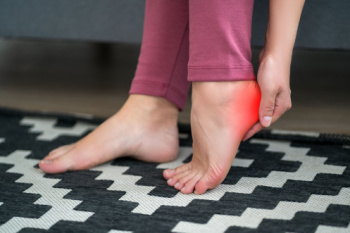
Haglund’s deformity is a bony bump that forms on the back of the heel near where the Achilles tendon attaches. This prominence can rub against shoes, especially those with stiff backs, causing irritation, redness, and pain. Over time, it may also lead to inflammation in nearby tissues, making walking uncomfortable. Other conditions can feel very similar and are sometimes confused with this issue. These include irritation of the Achilles tendon, inflammation of the fluid-filled sac near the heel, or general overuse injuries. Because symptoms overlap, proper evaluation is important to confirm the cause of pain. Treatment often begins with simple changes like wearing softer shoes, using padding, adding heel lifts, and doing stretching exercises. If discomfort continues despite these efforts, a minor surgical procedure to remove the extra bone may be considered. If heel pain is limiting your daily activities, it is suggested that you schedule a visit with a podiatrist for a proper diagnosis and appropriate treatment.
Many people suffer from bouts of heel pain. For more information, contact Joseph Creswell, DPM of Practice. Our practitioner can provide the care you need to keep you pain-free and on your feet.
Causes of Heel Pain
Heel pain is often associated with plantar fasciitis. The plantar fascia is a band of tissues that extends along the bottom of the foot. A rip or tear in this ligament can cause inflammation of the tissue.
Achilles tendonitis is another cause of heel pain. Inflammation of the Achilles tendon will cause pain from fractures and muscle tearing. Lack of flexibility is also another symptom.
Heel spurs are another cause of pain. When the tissues of the plantar fascia undergo a great deal of stress, it can lead to ligament separation from the heel bone, causing heel spurs.
Why Might Heel Pain Occur?
- Wearing ill-fitting shoes
- Wearing non-supportive shoes
- Weight change
- Excessive running
Treatments
Heel pain should be treated as soon as possible for immediate results. Keeping your feet in a stress-free environment will help. If you suffer from Achilles tendonitis or plantar fasciitis, applying ice will reduce the swelling. Stretching before an exercise like running will help the muscles. Using all these tips will help make heel pain a condition of the past.
If you have any questions, please feel free to contact our office located in Wallace, ID . We offer the newest diagnostic and treatment technologies for all your foot care needs.
How Foot Pain Alters Strength and Weight Distribution
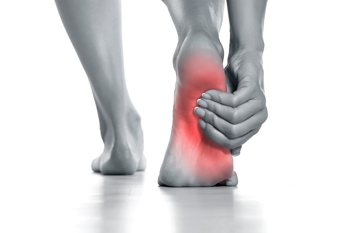
Foot pain often changes how force moves through the foot and how muscles respond. When a certain area hurts, the body naturally unloads that spot, shifting weight elsewhere. With heel discomfort, people may place more load toward the front of the foot, which increases demand on the forefoot and smaller stabilizing muscles. Pain under the ball of the foot can lead to rolling weight toward the heel or along the outer border, affecting balance and muscle control. Arch- related problems may reduce the foot’s ability to support weight evenly, leading to fatigue and strain in nearby muscles. Over time, some muscles become overused while others lose strength, creating imbalance. Care may include targeted strengthening, improved footwear, custom orthotics, and a walking assessment. Because these patterns can worsen without care, if you have foot pain, it is suggested that you see a podiatrist for a proper diagnosis and appropriate treatment.
Foot Pain
Foot pain can be extremely painful and debilitating. If you have a foot pain, consult with Joseph Creswell, DPM from Practice. Our practitioner will assess your condition and provide you with quality foot and ankle treatment.
Causes
Foot pain is a very broad condition that could be caused by one or more ailments. The most common include:
- Bunions
- Hammertoes
- Plantar Fasciitis
- Bone Spurs
- Corns
- Tarsal Tunnel Syndrome
- Ingrown Toenails
- Arthritis (such as Gout, Rheumatoid, and Osteoarthritis)
- Flat Feet
- Injury (from stress fractures, broken toe, foot, ankle, Achilles tendon ruptures, and sprains)
- And more
Diagnosis
To figure out the cause of foot pain, podiatrists utilize several different methods. This can range from simple visual inspections and sensation tests to X-rays and MRI scans. Prior medical history, family medical history, and any recent physical traumatic events will all be taken into consideration for a proper diagnosis.
Treatment
Treatment depends upon the cause of the foot pain. Whether it is resting, staying off the foot, or having surgery; podiatrists have a number of treatment options available for foot pain.
If you have any questions, please feel free to contact our office located in Wallace, ID . We offer the newest diagnostic and treatment technologies for all your foot care needs.
Healthy Habits for Diabetic Feet
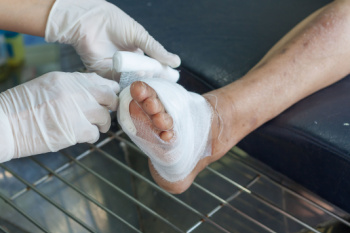
Living with diabetes means paying extra attention to the feet, since changes in circulation and sensation can allow small issues to develop without early warning. A daily look at the skin helps you spot irritation, dryness, or minor injuries before they worsen. Gentle washing, careful drying between the toes, and regular moisturizing support healthier skin and reduce the chance of cracking. Choosing shoes that fit well and protect pressure points is equally important, as rubbing or tight areas can lead to sores that heal slowly. Trimming toenails straight across helps prevent ingrown edges, and any redness, swelling, or unusual warmth should be taken seriously. Routine podiatric care makes it easier to catch problems early and maintain comfortable mobility. If you notice color changes, numbness, or a spot that does not improve, it is suggested that you see a podiatrist for proper evaluation and guidance in diabetic foot care.
Diabetic foot care is important in preventing foot ailments such as ulcers. If you are suffering from diabetes or have any other concerns about your feet, contact Joseph Creswell, DPM from Practice. Our practitioner can provide the care you need to keep you pain-free and on your feet.
Diabetic Foot Care
Diabetes affects millions of people every year. The condition can damage blood vessels in many parts of the body, especially the feet. Because of this, taking care of your feet is essential if you have diabetes, and having a podiatrist help monitor your foot health is highly recommended.
The Importance of Caring for Your Feet
- Routinely inspect your feet for bruises or sores.
- Wear socks that fit your feet comfortably.
- Wear comfortable shoes that provide adequate support.
Patients with diabetes should have their doctor monitor their blood levels, as blood sugar levels play such a huge role in diabetic care. Monitoring these levels on a regular basis is highly advised.
It is always best to inform your healthcare professional of any concerns you may have regarding your feet, especially for diabetic patients. Early treatment and routine foot examinations are keys to maintaining proper health, especially because severe complications can arise if proper treatment is not applied.
If you have any questions, please feel free to contact our office located in Wallace, ID . We offer the newest diagnostic and treatment technologies for all your foot care needs.
See Your Foot Specialist Regularly If You Work On Your Feet

Do you work on your feet all day and find your feet in pain? Don't go to work in pain each day. Your foot pain can be treated, and we can help.
Simple Ways to Check Your Feet and Care for Them Daily
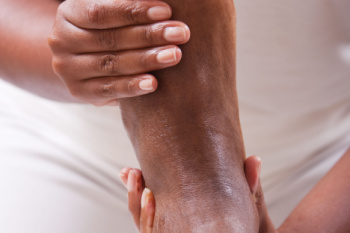
Paying attention to your feet can help catch problems early and keep you comfortable. Start by looking at your feet each day. Check for color changes, swelling, cracks, or areas that feel warm or tender. Notice any thickened nails or changes in shape. Use a mirror, if needed, to see the bottoms. Clean your feet with mild soap and warm water, then dry them well, especially between the toes. Apply moisturizer to prevent dryness, but avoid the spaces between toes. Trim nails straight across and wear well-fitting shoes that do not rub or pinch. Additionally, replace worn footwear and choose socks that keep feet dry. Staying active can support circulation and overall foot health. If you notice ongoing changes or have foot discomfort, it is suggested that you schedule a visit with a podiatrist for a proper evaluation and appropriate care plan.
Everyday foot care is very important to prevent infection and other foot ailments. If you need your feet checked, contact Joseph Creswell, DPM from Practice. Our practitioner can provide the care you need to keep you pain-free and on your feet.
Everyday Foot Care
Often, people take care of their bodies, face and hair more so than they do for their feet. But the feet are a very important aspect of our bodies, and one that we should pay more attention to. Without our feet, we would not be able to perform most daily tasks.
It is best to check your feet regularly to make sure there are no new bruises or cuts that you may not have noticed before. For dry feet, moisturizer can easily be a remedy and can be applied as often as necessary to the affected areas. Wearing shoes that fit well can also help you maintain good foot health, as well as making it easier to walk and do daily activities without the stress or pain of ill-fitting shoes, high heels, or even flip flops. Wearing clean socks with closed shoes is important to ensure that sweat and bacteria do not accumulate within the shoe. Clean socks help to prevent Athlete’s foot, fungi problems, bad odors, and can absorb sweat.
If you have any questions, please feel free to contact our office located in Wallace, ID . We offer the newest diagnostic and treatment technologies for all your foot care needs.
