Items filtered by date: June 2026
Foot Problems Linked to Playing Golf

Golf places repeated stress on the feet and ankles because each swing requires twisting, pivoting, and shifting body weight. A long round means steps on grass, hills, and uneven ground. These movements can lead to heel pain, ball-of-foot pain, or soreness under the big toe joint. Heel pain can feel sharp with the first steps in the morning. Pain in the ball of the foot can feel like burning or aching beneath the toes. Pain under the big toe can make it hard to push off during the golf swing or while walking.
Golf can also irritate the back of the heel, the toes, and the side of the ankle. Pain behind the heel can come from strain on the strong tendon that connects the calf to the heel. This pain can worsen when walking uphill or standing for long periods. Some golfers feel sharp pain, tingling, or numbness between the toes when pressure irritates a nerve. Existing bunions can also become more painful from the sideways force of the swing. An ankle sprain can occur when the foot slips, rolls, or twists on uneven ground.
A podiatrist can examine the foot and ankle to find the cause of pain. X-rays and other imaging can help show whether a bone, joint, or soft tissue is injured. Treatment options include supportive shoes, custom orthotics, and bracing to reduce pressure on painful areas. A walking boot can help protect against serious injuries while healing takes place. Anti-inflammatory care can reduce swelling and soreness. A podiatrist can recommend stretching and strengthening exercises to improve balance and foot control. Early treatment can help golfers return to the course with less pain. If you have foot pain after playing golf, it is suggested that you make an appointment with a podiatrist for an exam and treatment options.
Ankle and foot injuries are common among athletes and in many sports. They can be caused by several problems and may be potentially serious. If you are feeling pain or think you were injured in a sporting event or when exercising, consult with Joseph Creswell, DPM from Practice. Our practitioner will assess your condition and provide you with quality foot and ankle treatment.
Common Injuries
The most common injuries that occur in sporting activities include:
- Achilles Tendonitis
- Achilles Tendon Rupture
- Ankle Sprains
- Broken Foot
- Plantar Fasciitis
- Stress Fractures
- Turf Toe
Symptoms
Symptoms vary depending upon the injury and in some cases, there may be no symptoms at all. However, in most cases, some form of symptom is experienced. Pain, aching, burning, bruising, tenderness, tightness or stiffness, sensation loss, difficulty moving, and swelling are the most common symptoms.
Treatment
Just as symptoms vary depending upon the injury, so do treatment options. A common treatment method is known as the RICE method. This method involves rest, applying ice, compression and elevating the afflicted foot or ankle. If the injury appears to be more serious, surgery might be required, such as arthroscopic or reconstructive surgery. Lastly, rehabilitation or therapy might be needed to gain full functionality in the afflicted area. Any discomfort experienced by an athlete must be evaluated by a licensed, reputable medical professional.
If you have any questions please contact our office located in Wallace, ID . We offer the newest diagnostic and treatment technologies for all your foot and ankle needs.
Understanding Different Types of Foot Pain
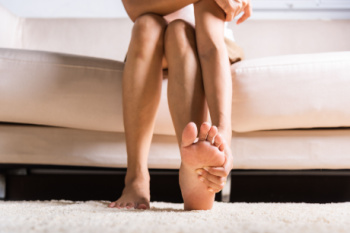
Foot pain can develop in many areas, and the location often helps identify the cause. Heel pain is commonly linked to plantar fascia irritation, tendon strain, or stress injuries. Pain in the ball of the foot may result from pressure overload, nerve irritation, joint inflammation, or structural changes. Arch pain can stem from ligament strain, tendon problems, or biomechanical imbalance. Toe pain may be related to arthritis, deformities, fractures, or nail conditions. Pain along the top of the foot sometimes points to tendon inflammation, stress fractures, or compression from footwear. Inner or outer foot pain may involve ligaments, tendons, joint wear, or alignment problems. Burning, tingling, or numb pain may suggest nerve involvement rather than a structural injury. Because foot pain can have many causes, an accurate diagnosis is important for effective treatment. If you are experiencing ongoing foot discomfort, worsening pain, or difficulty walking, it is suggested that you visit a podiatrist for a thorough evaluation and appropriate treatment solutions.
Foot Pain
Foot pain can be extremely painful and debilitating. If you have a foot pain, consult with Joseph Creswell, DPM from Practice. Our practitioner will assess your condition and provide you with quality foot and ankle treatment.
Causes
Foot pain is a very broad condition that could be caused by one or more ailments. The most common include:
- Bunions
- Hammertoes
- Plantar Fasciitis
- Bone Spurs
- Corns
- Tarsal Tunnel Syndrome
- Ingrown Toenails
- Arthritis (such as Gout, Rheumatoid, and Osteoarthritis)
- Flat Feet
- Injury (from stress fractures, broken toe, foot, ankle, Achilles tendon ruptures, and sprains)
- And more
Diagnosis
To figure out the cause of foot pain, podiatrists utilize several different methods. This can range from simple visual inspections and sensation tests to X-rays and MRI scans. Prior medical history, family medical history, and any recent physical traumatic events will all be taken into consideration for a proper diagnosis.
Treatment
Treatment depends upon the cause of the foot pain. Whether it is resting, staying off the foot, or having surgery; podiatrists have a number of treatment options available for foot pain.
If you have any questions, please feel free to contact our office located in Wallace, ID . We offer the newest diagnostic and treatment technologies for all your foot care needs.
Inspect Your Feet Regularly for Abnormalities if You're Diabetic
Diabetic patients often have decreased sensitivity in their feet, which makes a visual inspection of the feet even more important. If you're diabetic, having periodic screenings is extremely important for maintaining the overall health of your feet.
When Rheumatoid Arthritis Affects the Feet
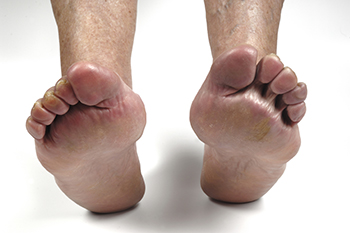
Rheumatoid arthritis is an inflammatory condition that can affect the small joints of the feet, often causing pain, swelling, warmth, and morning stiffness that lasts longer than expected. Many people first notice discomfort in the front of the feet or toes, making walking uncomfortable, especially after rest. As the condition progresses, joint damage may lead to shifting toe position, reduced stability, and pressure points that make wearing shoes difficult. Because this condition affects the immune system, symptoms may involve both feet in a similar pattern rather than appearing from a single injury. A podiatrist can evaluate joint changes, walking mechanics, and areas of abnormal pressure while helping to manage discomfort and protect foot function. Early recognition matters because untreated inflammation can lead to lasting structural changes. If you are experiencing persistent foot swelling, stiffness, or unexplained joint pain, it is strongly suggested that you visit a podiatrist for an evaluation.
Because RA affects more than just your joints, including the joints in your feet and ankles, it is important to seek early diagnosis from your podiatrist if you feel like the pain in your feet might be caused by RA. For more information, contact Joseph Creswell, DPM of Practice. Our practitioner will assist you with all of your podiatric concerns.
What Is Rheumatoid Arthritis?
Rheumatoid Arthritis (RA) is an autoimmune disorder in which the body’s own immune system attacks the membranes surrounding the joints. Inflammation of the lining and eventually the destruction of the joint’s cartilage and bone occur, causing severe pain and immobility.
Rheumatoid Arthritis of the Feet
Although RA usually attacks multiple bones and joints throughout the entire body, almost 90 percent of cases result in pain in the foot or ankle area.
Symptoms
- Swelling and pain in the feet
- Stiffness in the feet
- Pain on the ball or sole of feet
- Joint shift and deformation
Diagnosis
Quick diagnosis of RA in the feet is important so that the podiatrist can treat the area effectively. Your doctor will ask you about your medical history, occupation, and lifestyle to determine the origin of the condition. Rheumatoid Factor tests help to determine if someone is affected by the disease.
If you have any questions, please feel free to contact our office located in Wallace, ID . We offer the newest diagnostic and treatment technologies for all your foot care needs.
Helping Children With Foot Support
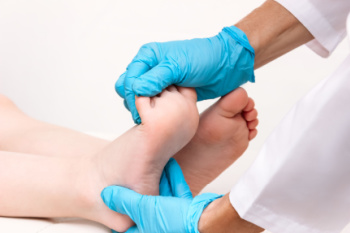
Children can develop a range of foot conditions that affect how they walk and play. Flat feet occur when the arch does not form fully, causing the foot to roll inward and place stress on joints. In contrast, a rigid high-arch foot places excess pressure on the heel and ball of the foot, often leading to discomfort and poor shock absorption. These conditions may appear as uneven wear on shoes, frequent tripping, or complaints of foot pain after activity. They can develop due to genetics, growth patterns, or muscle imbalance. A podiatrist can evaluate foot structure and movement, then design custom orthotics to support proper alignment and improve function. Early care can help prevent long-term issues with walking and posture. If your child has foot pain, it is suggested that you consult a podiatrist who can determine the cause and discuss the benefits of custom-made orthotics with you.
Making sure that your children maintain good foot health is very important as they grow. If you have any questions, contact Joseph Creswell, DPM of Practice. Our practitioner can provide the care you need to keep you pain-free and on your feet.
Keeping Children's Feet Healthy
Having healthy feet during childhood can help prevent medical problems later in life, namely in the back and legs. As children grow, their feet require different types of care. Here are some things to consider...
Although babies do not walk yet, it is still very important to take care of their feet.
Avoid putting tight shoes or socks on his or her feet.
Allow the baby to stretch and kick his or her feet to feel comfortable.
As a toddler, kids are now on the move and begin to develop differently. At this age, toddlers are getting a feel for walking, so don’t be alarmed if your toddler is unsteady or ‘walks funny’.
As your child gets older, it is important to teach them how to take care of their feet.
Show them proper hygiene to prevent infections such as fungus.
Be watchful for any pain or injury.
Have all injuries checked by a doctor as soon as possible.
Comfortable, protective shoes should always be worn, especially at play.
If you have any questions, please feel free to contact our office located in Wallace, ID . We offer the newest diagnostic and treatment technologies for all your foot care needs.
Finding the Perfect Running Form for Marathon Success

Achieving the perfect running form for marathon running starts with proper foot support and efficient movement. Choosing the best running shoes depends on terrain and the shape of your arches. Pronated feet roll inward, neutral feet maintain balanced alignment, and supinated feet roll outward, each requiring different support. A smooth foot strike, where the foot lands gently and evenly, helps reduce stress and improve endurance. Additionally, good posture and steady rhythm also play a role in preventing injury over long distances. Risk of discomfort can increase with poor footwear or improper mechanics. A podiatrist can assess your gait, recommend the right shoes, and prescribe custom orthotics to address gait issues. If you have developed foot pain from running, it is suggested that you consult a podiatrist who can provide a diagnosis and appropriate treatment.
If you are a runner, wearing the right running shoe is essential. For more information, contact Joseph Creswell, DPM from Practice. Our practitioner can provide the care you need to keep you pain-free and on your feet.
Choosing the Right Running Shoe for Your Foot Type
To increase performance and avoid the risk of injury, it is important to choose the right running shoe based on your foot type. The general design of running shoes revolves around pronation, which is how the ankle rolls from outside to inside when the foot strikes the ground.
- Neutral runners are able to choose from a wide variety of shoes, including minimalist shoes or even going barefoot.
- Runners who overpronate, or experience an over-abundance of ankle rolling, should choose shoes that provide extra motion control and stability.
- Runners who underpronate, or supinate, have feet that have high arches and lack flexibility, preventing shock absorption. They require shoes with more flexibility and cushion.
If you have any questions, please feel free to contact our office located in Wallace, ID . We offer the newest diagnostic and treatment technologies for all your foot care needs.
