Items filtered by date: May 2026
Heel Pain From Plantar Fasciitis
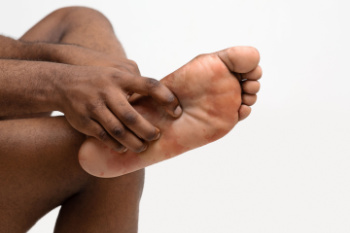
Pain from plantar fasciitis is a condition that commonly affects the bottom of the heel. It occurs when the plantar fascia, the thick band of tissue that supports the arch, becomes strained and develops small tears over time. This stress is often linked to repeated pressure from standing, walking, or running. Pain from plantar fasciitis is usually sharp and felt with the first steps in the morning or after periods of rest. It may improve with movement but return later in the day. Risk factors include flat feet, high arches, excess weight, and jobs that require spending long hours on the feet. A podiatrist can evaluate your foot structure, observe how you walk, and use imaging to confirm the cause of pain. Treatment options include custom orthotics, supportive devices, and targeted exercises to reduce strain and improve function. If you have heel pain, it is suggested that you schedule an appointment with a podiatrist for a diagnosis and appropriate treatment.
Plantar fasciitis can be very painful and inconvenient. If you are experiencing heel pain or symptoms of plantar fasciitis, contact Joseph Creswell, DPM from Practice. Our practitioner can provide the care you need to keep you pain-free and on your feet.
What Is Plantar Fasciitis?
Plantar fasciitis is the inflammation of the thick band of tissue that runs along the bottom of your foot, known as the plantar fascia, and causes mild to severe heel pain.
What Causes Plantar Fasciitis?
- Excessive running
- Non-supportive shoes
- Overpronation
- Repeated stretching and tearing of the plantar fascia
How Can It Be Treated?
- Conservative measures – anti-inflammatories, ice packs, stretching exercises, physical therapy, orthotic devices
- Shockwave therapy – sound waves are sent to the affected area to facilitate healing and are usually used for chronic cases of plantar fasciitis
- Surgery – usually only used as a last resort when all else fails. The plantar fascia can be surgically detached from the heel
While very treatable, plantar fasciitis is definitely not something that should be ignored. Especially in severe cases, speaking to your doctor right away is highly recommended to avoid complications and severe heel pain. Your podiatrist can work with you to provide the appropriate treatment options tailored to your condition.
If you have any questions, please feel free to contact our office located in Wallace, ID . We offer the newest diagnostic and treatment technologies for all your foot care needs.
Common Deformities of the Toes
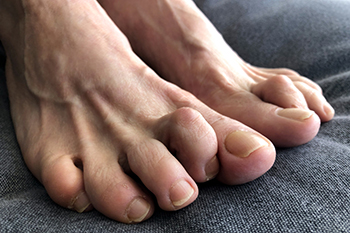
Toes can change shape that affect the foot and make walking uncomfortable. One toe deformity is termed a hammertoe. It happens when a smaller toe bends at the middle joint, creating a curled appearance. A bunion forms when the top of the big toe shifts toward the smaller ones, and the main joint bone at the bottom pushes outward. A claw toe involves more than one joint, causing the toe to bend downward and sometimes press into the shoe. These problems often develop from repeated pressure, muscle imbalance, or abnormal foot movement. Symptoms include pain, stiffness, or trouble fitting into shoes. A podiatrist can use X-rays and other imaging to assess severity. Care includes custom orthotics, protective devices, or surgery to correct alignment and reduce pain. If you have toes that look abnormal, it is suggested that you schedule an appointment with a podiatrist for a diagnosis and appropriate treatment.
Toe pain can disrupt your daily activities. If you have any concerns, contact Joseph Creswell, DPM of Practice. Our practitioner can provide the care you need to keep you pain-free and on your feet.
What Causes Toe Pain?
Most severe toe pain is caused due to a sports injury, trauma from dropping something heavy on the toe, or bumping into something rigid. Other problems can develop over time for various reasons.
Toe pain can be caused by one or more ailments. The most common include:
- Trauma
- Sports injury
- Wearing shoes that are too tight
- Arthritis
- Gout
- Corns and calluses
- Hammertoe
- Bunions
- Blisters
- Ingrown toenails
- Sprains
- Fractures (broken bones)
- Dislocations
When to See a Podiatrist
- Severe pain
- Persistent pain that lasts more than a week
- Signs of infection
- Continued swelling
- Pain that prevents walking
Diagnosis
In many cases the cause of toe pain is obvious, but in others, a podiatrist may want to use more advanced methods to determine the problem. These can range from simple visual inspections and sensation tests to X-rays and MRI scans. Prior medical history, family medical history, and any recent physical traumatic events will all be taken into consideration for a proper diagnosis.
Treatment
Treatments for toe pain and injuries vary and may include shoe inserts, padding, taping, medicines, injections, and in some cases, surgery. If you believe that you have broken a toe, please see a podiatrist as soon as possible.
If you have any questions please contact our office located in Wallace, ID . We offer the newest diagnostic and treatment technologies for all your foot and ankle needs.
Ease Painful Feet With Orthotics

Custom orthotics can be used to relieve foot pain and discomfort. They're also used to treat various foot conditions and deformities. Flat feet, bunions, and Morton's neuroma are just a few of the foot conditions that have been known to benefit from the use of orthotics.
Comfy feet are happy feet! Contact us today.
Toenail Fungus Can Cause Thick and Discolored Nails
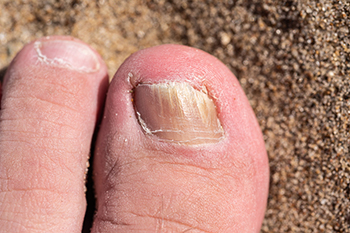
Toenail fungus can develop for several reasons related to environment, nail health, and overall foot care. This infection affects the nail unit, which protects the toes and helps support balance and pressure during walking. It commonly begins when fungi enter the body through small cracks in the nail or surrounding skin. and it occurs in warm, moist environments like inside tight shoes or damp socks. Over time, the nail may become thickened, brittle, and discolored. It can appear yellow, white, or brown and may lift from the nail bed or develop a crumbly texture. A podiatrist can examine the nail and may perform tests to confirm the diagnosis. Treatment options include topical or oral antifungal medications, professional trimming or thinning of the nail, and guidance on proper hygiene and footwear to reduce recurrence. If you have symptoms of toenail fungus, it is suggested that you schedule an appointment with a podiatrist for effective treatment solutions.
If left untreated, toenail fungus may spread to other toenails, skin, or even fingernails. If you suspect you have toenail fungus it is important to seek treatment right away. For more information about treatment, contact Joseph Creswell, DPM of Practice. Our practitioner can provide the care you need to keep you pain-free and on your feet.
Symptoms
- Warped or oddly shaped nails
- Yellowish nails
- Loose/separated nail
- Buildup of bits and pieces of nail fragments under the nail
- Brittle, broken, thickened nail
Treatment
If self-care strategies and over-the-counter medications does not help your fungus, your podiatrist may give you a prescription drug instead. Even if you find relief from your toenail fungus symptoms, you may experience a repeat infection in the future.
Prevention
In order to prevent getting toenail fungus in the future, you should always make sure to wash your feet with soap and water. After washing, it is important to dry your feet thoroughly especially in between the toes. When trimming your toenails, be sure to trim straight across instead of in a rounded shape. It is crucial not to cover up discolored nails with nail polish because that will prevent your nail from being able to “breathe”.
In some cases, surgical procedure may be needed to remove the toenail fungus. Consult with your podiatrist about the best treatment options for your case of toenail fungus.
If you have any questions please contact our office located in Wallace, ID . We offer the newest diagnostic and treatment technologies for all your foot and ankle needs.
Foot Pain in Older Adults and Why It Matters

Foot pain, aching, and stiffness are common in older people and often signal more than simple wear and tear. Discomfort can change how a person walks, leading to reduced mobility, shorter steps, and less time spent being active. Over time, this can weaken muscles, affect balance, and raise the risk of falls and loss of independence. Many people try to ignore symptoms or rely on home remedies, but untreated foot problems can worsen and limit daily life. Seeing a podiatrist is an important step toward relief and prevention. A podiatrist can assess gait, identify underlying conditions, and provide targeted care such as orthotics, exercises, and footwear guidance. If you are older and are suffering from foot discomfort, it is suggested that you see a podiatrist for appropriate care.
If you need your feet checked, contact Joseph Creswell, DPM of Practice. Our practitioner will attend to all of your foot and ankle needs and provide you with quality treatment.
Geriatrics and Podiatry
When people age, some common issues that may occur are bone density loss, dry skin, poor circulation, and rough brittle nails. These issues may also affect your foot health if the necessary steps are not taken to alleviate the problems.
It is important to take care of your feet because feet that are injured or diseased can affect your overall health. Having painful feet hinders your ability to do daily activities or may decrease your willingness to do the things that you need to do.
Visiting Your Geriatrician
As we age, health problems become more likely, so it is essential to visit your doctor for check-ups to ensure that you are doing the best you can to take care of your health. It is recommended to check your feet frequently for any possible cuts, bruises, swelling, corns or any other irregularities.
Taking Care of Elderly Feet
Cracked or dry feet can be treated by applying moisturizer often. It is also important not to wear old socks because the older the sock is, the higher the possibility there will be that there is bacteria there. Wear fresh socks and make sure they fit properly.
Proper foot health means that you can have a more active lifestyle and you will not be bogged down by pain. Foot health also leads to good circulation, which is paramount for overall health.
If you have any questions, please feel free to contact our office located in Wallace, ID . We offer the newest diagnostic and treatment technologies for all your foot care needs.
