Items filtered by date: July 2026
Are You Suffering From Ingrown Toenails?

If left untreated, an ingrown toenail can lead to more serious concerns, such as an infection. Knowing proper nail care can help in the prevention of an ingrown toenail. Give us a call, and get treated!
When Offloading Is Essential for Healing Foot Wounds
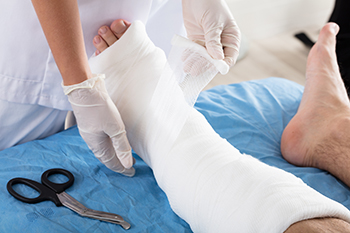
Offloading in wound care is an important part of helping foot wounds heal. Offloading means reducing pressure on the injured area so the skin and tissue have a better chance to recover. Every step places force on the feet, especially on the bottom of the foot. When pressure continues on an open wound, healing slows and the wound can become larger or deeper. Patients with diabetes, poor circulation, or reduced feeling in their feet face an even greater risk because they may not notice the damage while walking. A podiatrist carefully examines the wound, identifies the source of pressure, and develops a treatment plan that protects the injured area while supporting healing. Offloading also helps lower the chance of repeated injury that can delay recovery.
A podiatrist selects the best offloading method based on the wound's location, the shape of the foot, and the patient's daily activities. Options include specialized walking boots, custom shoe inserts, or protective shoes that spread body weight more evenly across the foot. Some patients benefit from casts or other devices that limit pressure on the wound while walking. A podiatrist also checks for foot deformities, calluses, and areas of excess pressure. The wound is routinely measured and examined for progress. The treatment plan can be adjusted whenever healing slows or new pressure points develop.
Offloading works together with wound treatment by protecting healthy tissue and helping new tissue develop. A podiatrist also monitors circulation, watches for signs of infection, and recommends the most appropriate shoes to reduce future problems. Early treatment gives many patients the best opportunity for healing before a wound becomes more serious. Careful offloading also helps lower stress on nearby skin and reduces the chance of another wound developing in the same area. If you have foot wounds that will not heal, it is suggested that you are under the care of a podiatrist who can offer effective treatment and management solutions.
Wound care is an important part in dealing with diabetes. If you have diabetes and a foot wound or would like more information about wound care for diabetics, consult with Joseph Creswell, DPM from Practice. Our practitioner will assess your condition and provide you with quality foot and ankle treatment.
What Is Wound Care?
Wound care is the practice of taking proper care of a wound. This can range from the smallest to the largest of wounds. While everyone can benefit from proper wound care, it is much more important for diabetics. Diabetics often suffer from poor blood circulation which causes wounds to heal much slower than they would in a non-diabetic.
What Is the Importance of Wound Care?
While it may not seem apparent with small ulcers on the foot, for diabetics, any size ulcer can become infected. Diabetics often also suffer from neuropathy, or nerve loss. This means they might not even feel when they have an ulcer on their foot. If the wound becomes severely infected, amputation may be necessary. Therefore, it is of the upmost importance to properly care for any and all foot wounds.
How to Care for Wounds
The best way to care for foot wounds is to prevent them. For diabetics, this means daily inspections of the feet for any signs of abnormalities or ulcers. It is also recommended to see a podiatrist several times a year for a foot inspection. If you do have an ulcer, run the wound under water to clear dirt from the wound; then apply antibiotic ointment to the wound and cover with a bandage. Bandages should be changed daily and keeping pressure off the wound is smart. It is advised to see a podiatrist, who can keep an eye on it.
If you have any questions please contact our office located in Wallace, ID . We offer the newest diagnostic and treatment technologies for all your foot and ankle needs.
Plantar Wart Symptoms and Effective Treatment

Plantar warts are growths that develop on the bottom of the foot after the skin becomes infected with the human papillomavirus, or HPV. This is a virus that enters through tiny breaks in the skin. These warts usually appear on weight-bearing areas like the heel or the ball of the foot, where pressure pushes them inward instead of outward. As a result, walking can become painful, and some people feel like they are stepping on a small pebble. Plantar warts can appear alone or in groups. They also have tiny black dots that are small, clotted blood vessels. A podiatrist can examine the affected area and determine whether the growth is a plantar wart or another foot condition.
Several factors increase the chance of developing plantar warts. Walking barefoot in public places, like locker rooms or swimming pool areas, raises the risk of exposure to the virus. Children, teenagers, and people with weakened immune systems are also more likely to develop these warts. The location of a plantar wart can change the way a person walks, which sometimes leads to discomfort in other parts of the foot. A podiatrist performs a thorough examination and can diagnose plantar warts by their appearance and location. In some cases, additional testing helps confirm the diagnosis and rule out other skin conditions.
Treatment depends on the size, location, and number of plantar warts. A podiatrist can remove layers of the wart, apply prescription-strength medications, or use freezing treatments to destroy the infected tissue. Some patients benefit from laser treatment or another advanced procedure for stubborn warts. Surgery is recommended in certain cases when other treatments do not provide enough improvement. Prompt treatment helps reduce pain, improve comfort while walking, and lower the chance of the wart spreading to nearby skin. If you have developed one or more plantar warts, it is suggested that you schedule an appointment with a podiatrist for effective relief and treatment solutions.
Plantar warts can be very uncomfortable. If you need your feet checked, contact Joseph Creswell, DPM from Practice. Our practitioner will assist you with all of your foot and ankle needs.
About Plantar Warts
Plantar warts are the result of HPV, or human papillomavirus, getting into open wounds on the feet. They are mostly found on the heels or balls of the feet.
While plantar warts are generally harmless, those experiencing excessive pain or those suffering from diabetes or a compromised immune system require immediate medical care. Plantar warts are easily diagnosed, usually through scraping off a bit of rough skin or by getting a biopsy.
Symptoms
- Lesions on the bottom of your feet, usually rough and grainy
- Hard or thick callused spots
- Wart seeds, which are small clotted blood vessels that look like little black spots
- Pain, discomfort, or tenderness of your feet when walking or standing
Treatment
- Freezing
- Electric tool removal
- Laser Treatment
- Topical Creams (prescription only)
- Over-the-counter medications
To help prevent developing plantar warts, avoid walking barefoot over abrasive surfaces that can cause cuts or wounds for HPV to get into. Avoiding direct contact with other warts, as well as not picking or rubbing existing warts, can help prevent the further spread of plantar warts. However, if you think you have developed plantar warts, speak to your podiatrist. He or she can diagnose the warts on your feet and recommend the appropriate treatment options.
If you have any questions, please feel free to contact our office located in Wallace, ID . We offer the newest diagnostic and treatment technologies for all your foot care needs.
Reasons for Big Toe Stiffness
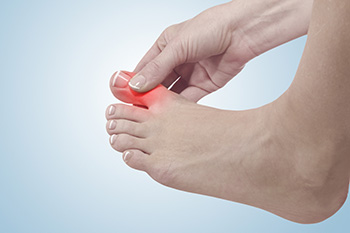
The big toe plays an important role in balance and forward motion when walking. If the joint at the base of the toe becomes stiff, bending the toe normally can be challenging. This condition is sometimes called hallux rigidus, which means stiff big toe. It develops when the joint gradually loses flexibility and movement. In many cases, the cartilage that cushions the joint begins to wear down, causing the bones to move less smoothly. Bone spurs, which are extra areas of bone growth, can also form around the joint and further restrict movement. People with big toe stiffness often notice pain when walking, climbing stairs, or participating in sports activities.
Several factors contribute to big toe stiffness. Previous injuries to the toe can damage the joint and lead to long-term problems. Repeated stress from sports or physically demanding activities can also affect the joint. Certain foot structures, including flat feet or very high arches, can place extra pressure on the big toe joint. Arthritis is another important cause. Symptoms typically include stiffness, pain, and swelling surrounding the joint. Some people develop a noticeable bump on top of the joint due to bone spur formation. As movement becomes more limited, walking patterns can change. This sometimes causes discomfort in other areas of the foot. Shoes that fit poorly or footwear that lacks adequate support can increase irritation around the affected joint.
A podiatrist can evaluate big toe stiffness through a physical examination and X-rays or other imaging scans. Identifying the exact cause is important because several conditions can create similar symptoms. After diagnosis, treatment can focus on reducing pain, improving joint function, and slowing further joint damage. Treatment options include custom orthotics, specialized shoe recommendations, and medication to reduce inflammation. In more advanced cases, surgery can improve movement or relieve pain. If you have stiffness in the big toe, it is suggested that you schedule an appointment with a podiatrist for diagnosis and appropriate treatment.
Toe pain can disrupt your daily activities. If you have any concerns, contact Joseph Creswell, DPM of Practice. Our practitioner can provide the care you need to keep you pain-free and on your feet.
What Causes Toe Pain?
Most severe toe pain is caused due to a sports injury, trauma from dropping something heavy on the toe, or bumping into something rigid. Other problems can develop over time for various reasons.
Toe pain can be caused by one or more ailments. The most common include:
- Trauma
- Sports injury
- Wearing shoes that are too tight
- Arthritis
- Gout
- Corns and calluses
- Hammertoe
- Bunions
- Blisters
- Ingrown toenails
- Sprains
- Fractures (broken bones)
- Dislocations
When to See a Podiatrist
- Severe pain
- Persistent pain that lasts more than a week
- Signs of infection
- Continued swelling
- Pain that prevents walking
Diagnosis
In many cases the cause of toe pain is obvious, but in others, a podiatrist may want to use more advanced methods to determine the problem. These can range from simple visual inspections and sensation tests to X-rays and MRI scans. Prior medical history, family medical history, and any recent physical traumatic events will all be taken into consideration for a proper diagnosis.
Treatment
Treatments for toe pain and injuries vary and may include shoe inserts, padding, taping, medicines, injections, and in some cases, surgery. If you believe that you have broken a toe, please see a podiatrist as soon as possible.
If you have any questions please contact our office located in Wallace, ID . We offer the newest diagnostic and treatment technologies for all your foot and ankle needs.
