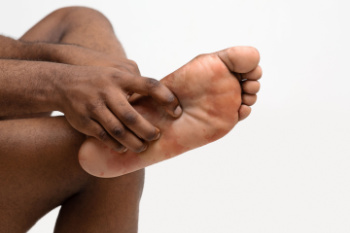
Plantar fasciitis develops when the thick band of tissue along the bottom of the foot becomes irritated. This tissue, called the plantar fascia, connects the heel bone to the toes and helps support the arch. The condition usually causes a sharp or aching pain near the heel. Pain is frequently strongest with the first steps after getting out of bed or standing after a long rest. It can ease after several minutes of movement, then return after extended standing or activity. The discomfort can change the way a person walks, which can place extra strain on the foot and ankle.
Repeated stress on the plantar fascia is a major cause of this condition. Running, prolonged standing, and a sudden increase in activity can strain the tissue. Additional risk factors include tight calf muscles, flat feet, and high arches. Wearing shoes that lack proper support can also place greater pressure on the heel and arch. Because heel pain has several possible causes, an accurate diagnosis is important. Ignoring persistent symptoms can make normal movement harder and interfere with work, exercise, or performing daily tasks.
A podiatrist can examine the foot, review when the pain occurs, and assess the patient's walking pattern. X-rays or other imaging tests can help rule out a fracture, a bone spur, or another cause of heel pain. Treatment options include custom orthotics to improve support, a night splint to gently stretch the plantar fascia, or a removable walking boot to reduce pressure. A podiatrist may also recommend targeted stretching exercises and changes to shoes or activities. For stubborn pain, advanced treatments can promote healing in the damaged tissue. Surgery is considered only when symptoms remain severe after other treatments have failed. If you have heel pain, it is suggested that you schedule an appointment with a podiatrist who can accurately diagnose and treat plantar fasciitis.
A plantar fibroma may disrupt your daily activities. If you have any concerns, contact Joseph Creswell, DPM of Practice. Our practitioner can provide the care you need to keep you pain-free and on your feet.
Plantar Fibroma
A plantar fibroma is a fibrous knot in the arch of the foot. It is embedded in the plantar fascia which is a band of tissue that extends from the heel to the toes along the bottom of the foot. There can be multiple plantar fibromas in the feet at the same time. There are no known causes for this condition. If you have a plantar fibroma, there will be a bump in the arch of your foot that cannot be missed. Any associated pain is most often due to a shoe rubbing against the nodule. Non-surgical options, such as steroid injections, physical therapy, and orthotics should be tried first. Surgery is a last resort and is the only thing that will remove a plantar fibroma entirely. Consult with a podiatrist for a proper diagnosis and to determine the treatment regimen that is right for you.
What Causes a Plantar Fibroma?
While there are no specific causes identified, a plantar fibroma can possibly come from genetic predisposition or the formation of scar tissue that forms from healing the tears in the plantar fascia.
What Are the Symptoms of a Plantar Fibroma?
There will be a noticeable lump in the arch of the foot that may or may not cause pain. If pain is felt, it is typically because a shoe is rubbing up against the lump or when walking or standing barefoot.
Treatment and Prevention
A plantar fibroma will not disappear without treatment, but it can get smaller and be a non-issue. If pain persists, a podiatrist examines the foot and when the arch of the foot is pressed, pain can be felt down to the toes. An MRI or biopsy might be performed to help diagnose or evaluate the plantar fibroma. The following non-surgical options are generally enough to reduce the size and pain of these nodules:
- Steroid injections
- Orthotics
- Physical therapy to help apply anti-inflammatory creams on the bump
Surgery is considered if the mass increases in size and the patient continues to feel pain after non-surgical methods are tried.
If you have any questions, please feel free to contact our office located in Wallace, ID . We offer the newest diagnostic and treatment technologies for all your foot care needs.
