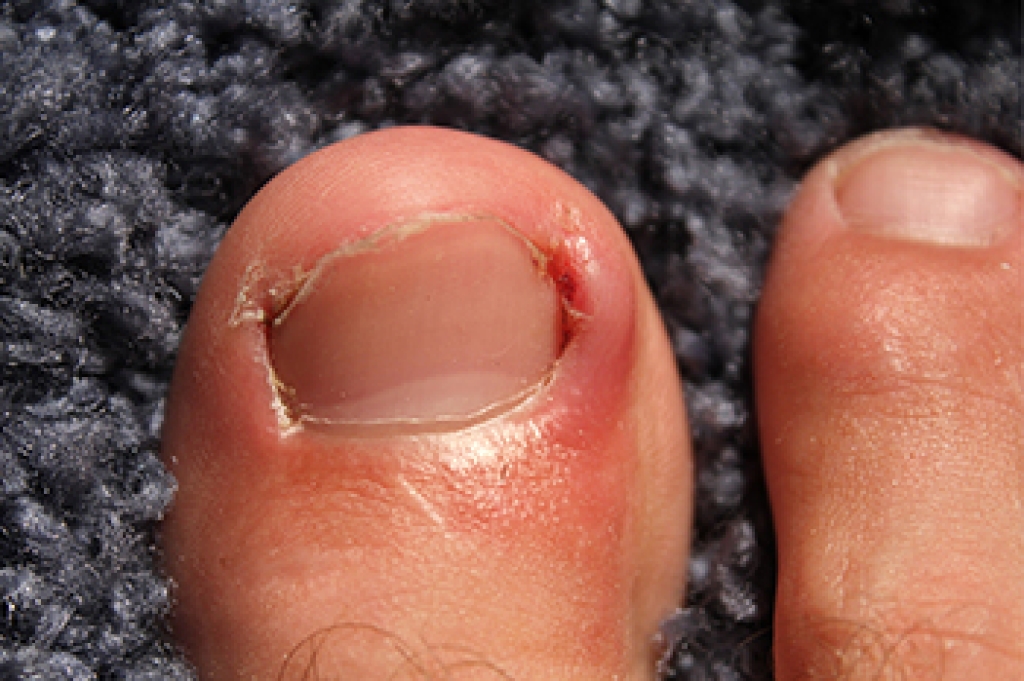
An ingrown toenail develops when the edge of a nail grows into the surrounding skin, causing irritation and discomfort. The big toe is affected most often, although other toes can develop this problem. Symptoms may include tenderness, redness, and swelling along the nail edge. In more advanced cases, drainage or infection can occur. Ingrown toenails are common among teenagers and young adults, particularly those who are involved in sports or who wear tight-fitting shoes. Recognizing the problem early can help prevent worsening pain and make treatment easier. Although mild cases may improve with careful home care, persistent symptoms deserve professional attention.
Several types of ingrown toenails can develop at different ages. A distal lateral ingrown toenail occurs when the side edge of the nail grows into the skin near the tip of the toe. This is a common pattern and may develop when nails are cut too short or rounded at the corners. Neonatal ingrown toenails affect newborns and may occur because of the natural shape of the nail or surrounding skin. Adult ingrown toenails often develop after years of improper nail trimming, pressure from footwear, or repeated toe injuries. Each type can cause tenderness, but the treatment approach depends on age and severity.
Common causes include cutting toenails too short, rounding the edges, and wearing shoes that squeeze the toes together. Some people inherit curved nails that are more likely to press into nearby skin. Repeated pressure from running or other sports may also contribute. Risk factors include heavy sweating, nail injuries, and difficulty trimming nails safely. Early symptoms may involve mild soreness and redness, while worsening cases can cause warmth, drainage, or increasing pain. People with diabetes or poor circulation should seek professional care promptly, because even a small wound can lead to complications. Avoid digging into the nail edge or attempting to cut out the painful section yourself.
A podiatrist examines the nail and surrounding skin to determine the severity and check for infection. Mild cases may improve with careful nail care and footwear changes. If the nail is deeply embedded or repeatedly ingrown, the podiatrist may numb the toe and remove the troublesome nail edge. In recurring cases, a procedure may be used to prevent that section from growing back. After treatment, follow wound-care instructions and keep the toe clean. If you have an ingrown toenail, it is suggested that you consult a podiatrist for effective treatment solutions, which may include minor surgery for removal.
Ingrown toenails may initially present themselves as a minor discomfort, but they may progress into an infection in the skin without proper treatment. For more information about ingrown toenails, contact Joseph Creswell, DPM of Practice. Our practitioner can provide the care you need to keep you pain-free and on your feet.
Ingrown Toenails
Ingrown toenails are caused when the corner or side of a toenail grows into the soft flesh surrounding it. They often result in redness, swelling, pain, and in some cases, infection. This condition typically affects the big toe and may recur if it is not treated properly.
Causes
- Improper toenail trimming
- Genetics
- Improper shoe fitting
- Injury from pedicures or nail picking
- Abnormal gait
- Poor hygiene
You are more likely to develop an ingrown toenail if you are obese, have diabetes, arthritis, or have any fungal infection in your nails. Additionally, people who have foot or toe deformities are at a higher risk of developing an ingrown toenail.
Symptoms
Some symptoms of ingrown toenails are redness, swelling, and pain. In rare cases, there may be a yellowish drainage coming from the nail.
Treatment
Ignoring an ingrown toenail can have serious complications. Infections of the nail border can progress to a deeper soft-tissue infection, which can then turn into a bone infection. You should always speak with your podiatrist if you suspect you have an ingrown toenail, especially if you have diabetes or poor circulation.
If you have any questions, please feel free to contact our office located in Wallace, ID . We offer the newest diagnostic and treatment technologies for all your foot care needs.
