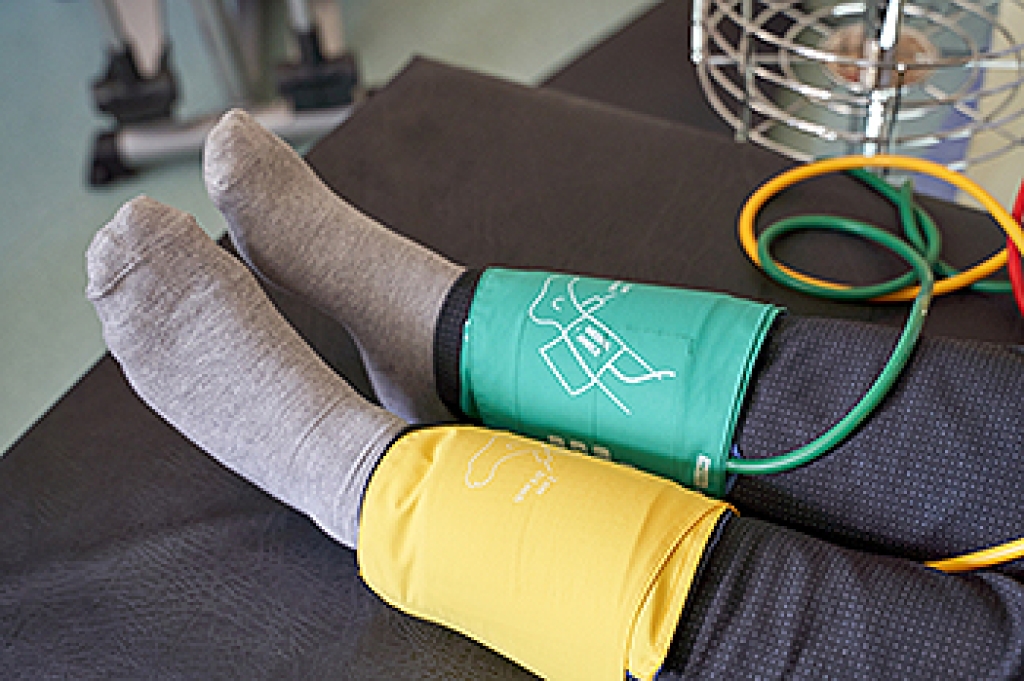
Effects of Peripheral Artery Disease on the Feet

Peripheral artery disease, or PAD, affects the blood vessels that carry blood to the legs and feet. It develops when arteries in the legs become narrowed, reducing the amount of blood that reaches nearby tissues. A common cause is atherosclerosis, which occurs when fatty material called plaque builds up along artery walls. Reduced circulation means the muscles may not receive enough blood and oxygen during activity. As PAD becomes more severe, circulation can remain limited even while a person is resting. Diabetes, high blood pressure, and high cholesterol can increase the risk of developing PAD.


Poor circulation from PAD can cause noticeable symptoms in the lower legs and feet. Pain, aching, or burning may occur during walking or exercise and improve after several minutes of rest. Some people develop numbness in the legs or feet while resting. The affected foot may also feel cool or appear pale. As the condition progresses, pain may begin with less activity and eventually occur at rest. Severe PAD can cause slow-healing sores on the feet or toes. Skin discoloration and changes in the toenails may also develop. These symptoms are important because reduced circulation can make it harder for damaged tissues to heal properly.


A podiatrist can examine the feet for signs that may be associated with poor circulation and determine when further medical evaluation is necessary. An examination may reveal a weak pulse, skin changes, or slow-healing sores. PAD can be evaluated with tests that compare blood pressure in the arms and legs or examine blood flow through the arteries. Because severe PAD can lead to serious complications, changes such as new foot sores should not be ignored. A foot that suddenly becomes cool, pale, or numb also requires medical attention. If poor circulation is causing persistent foot pain or noticeable changes in your feet, it is suggested that you consult a podiatrist for an evaluation and appropriate care options.

While poor circulation itself isn’t a condition; it is a symptom of another underlying health condition you may have. If you have any concerns with poor circulation in your feet contact Joseph Creswell, DPM of Practice. Our practitioner will treat your foot and ankle needs.

Poor Circulation in the Feet

Peripheral artery disease (PAD) can potentially lead to poor circulation in the lower extremities. PAD is a condition that causes the blood vessels and arteries to narrow. In a linked condition called atherosclerosis, the arteries stiffen up due to a buildup of plaque in the arteries and blood vessels. These two conditions can cause a decrease in the amount of blood that flows to your extremities, therefore resulting in pain.

Symptoms

Some of the most common symptoms of poor circulation are:

  • Numbness
  • Tingling
  • Throbbing or stinging pain in limbs
  • Pain
  • Muscle Cramps

Treatment for poor circulation often depends on the underlying condition that causes it. Methods for treatment may include insulin for diabetes, special exercise programs, surgery for varicose veins, or compression socks for swollen legs.

As always, see a podiatrist as he or she will assist in finding a regimen that suits you. A podiatrist can also prescribe you any needed medication. 

If you have any questions, please feel free to contact our office located in Wallace, ID . We offer the newest diagnostic and treatment technologies for all your foot care needs.
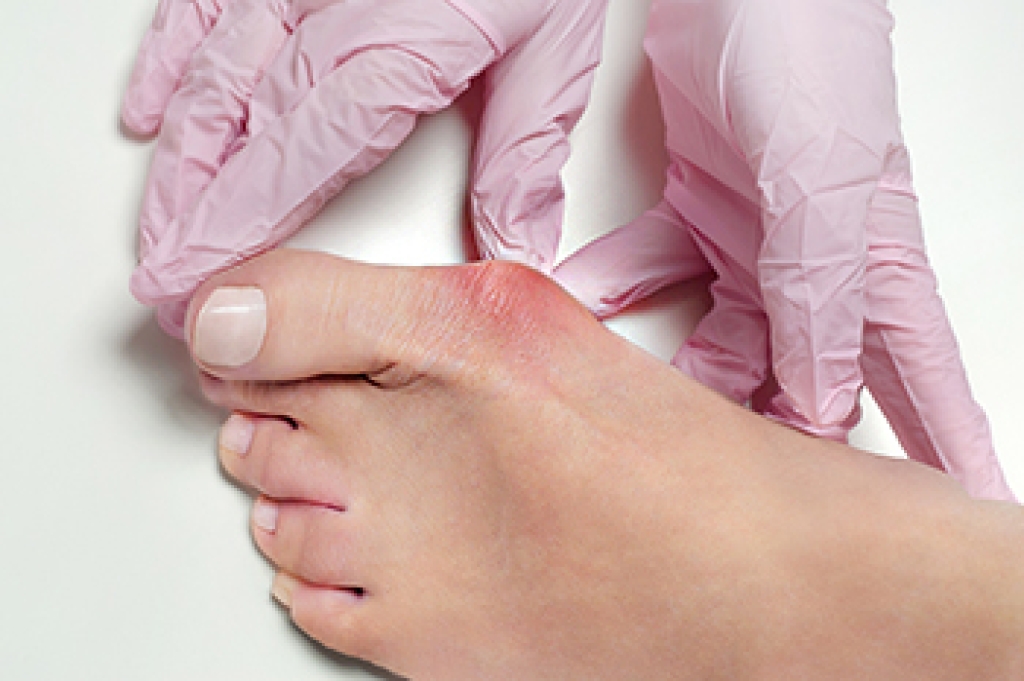
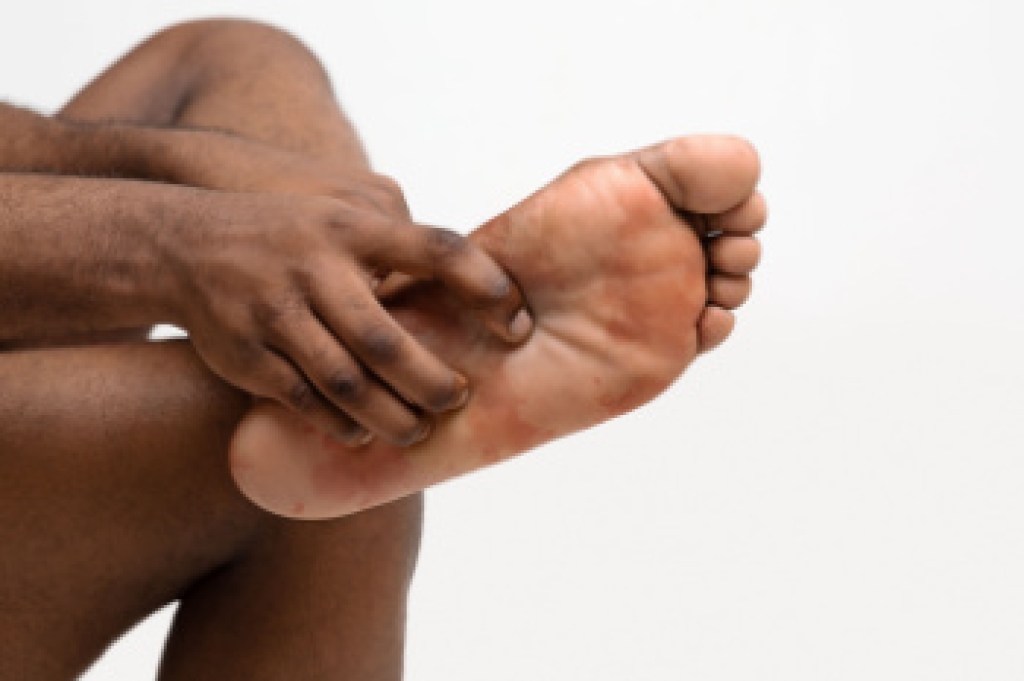
Read more about Causes Symptoms and Treatment for Poor Circulation in the Feet

How Running Can Affect Bunions

A bunion is a common foot problem that develops near the big toe joint. The big toe may gradually move toward the other toes while the joint creates a noticeable bump along the side of the foot. This area can become sore, red, or swollen. You may also notice that your shoes feel tighter or that walking becomes uncomfortable. Bunions are not caused by shoes alone. Your natural foot structure and family history can also make you more likely to develop one.

Several factors may contribute to bunion development. Having a family history of bunions can increase your risk. Flat feet or flexible joints may also affect how your feet move. Wearing tight shoes and high heels can place extra pressure on the toes and make existing symptoms worse. Running may also increase discomfort if you already have a bunion. Long-distance running may increase this stress, especially when your shoes do not provide enough room or support.

A bunion often looks like a bump beside the big toe. The toe may gradually turn inward as the bunion becomes more noticeable. You may experience swelling, tenderness, or irritation around the joint. Friction from shoes can sometimes cause thickened skin or corns. Runners may notice pain while exercising, stiffness in the toe, or aching after a run. Everyone experiences bunions differently. Getting podiatric guidance early can help identify what may be contributing to your discomfort and support better foot function.

If running has started to make your bunion uncomfortable, small changes may help. Consider wearing running shoes with a roomy toe box. Avoid footwear that squeezes the front of your foot. A podiatrist can also evaluate how your feet and body move during activity. They can recommend supportive strategies and activity changes that may improve comfort. If you enjoy running and have developed a bunion, it is suggested that you consult a podiatrist to explore effective relief and management solutions. 

If you are suffering from bunions, contact Joseph Creswell, DPM of Practice. Our practitioner can provide the care you need to keep you pain-free and on your feet.

What Is a Bunion?

A bunion is formed of swollen tissue or an enlargement of boney growth, usually located at the base joint of the toe that connects to the foot. The swelling occurs due to the bones in the big toe shifting inward, which impacts the other toes of the foot. This causes the area around the base of the big toe to become inflamed and painful.

Why Do Bunions Form?

Genetics – Susceptibility to bunions are often hereditary

Stress on the feet – Poorly fitted and uncomfortable footwear that places stress on feet, such as heels, can worsen existing bunions

How Are Bunions Diagnosed?

Podiatrists often perform two tests – blood tests and x-rays – when trying to diagnose bunions, especially in the early stages of development. Blood tests help determine if the foot pain is being caused by something else, such as arthritis, while x-rays provide a clear picture of your bone structure to your provider.

How Are Bunions Treated?

  • Refrain from wearing heels or similar shoes that cause discomfort
  • Select wider shoes that can provide more comfort and reduce pain
  • Anti-inflammatory and pain management drugs
  • Orthotics or foot inserts
  • Surgery

If you have any questions, please feel free to contact our office located in Wallace, ID . We offer the newest diagnostic and treatment technologies for all your foot care needs.
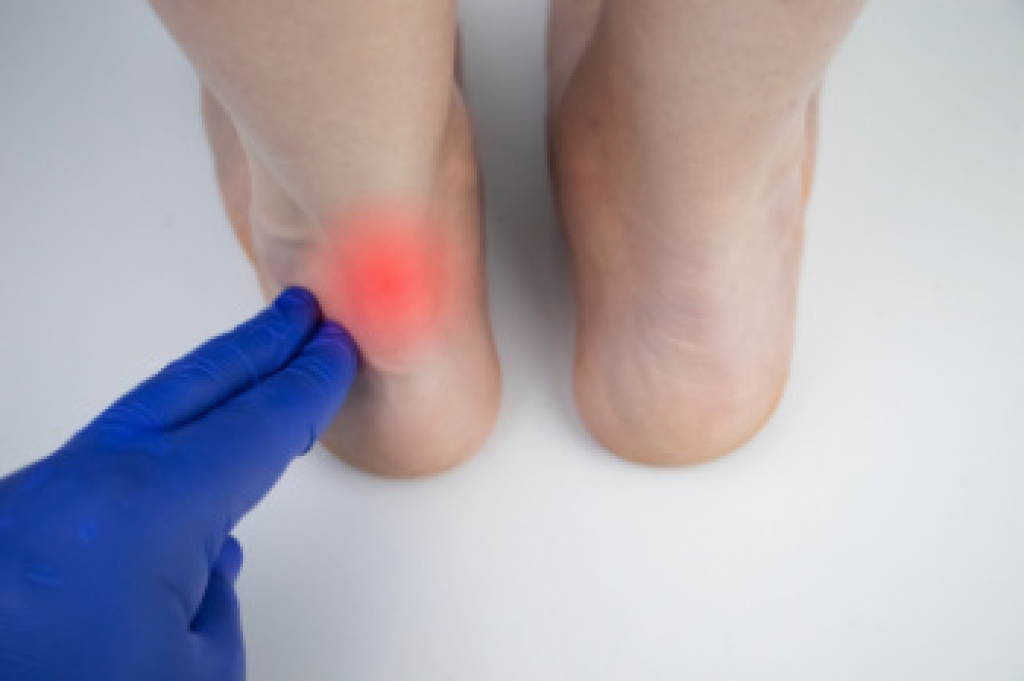
Read more about What Are Bunions?

Podiatric Care Can Relieve Plantar Fasciitis Pain

Plantar fasciitis develops when the thick band of tissue along the bottom of the foot becomes irritated. This tissue, called the plantar fascia, connects the heel bone to the toes and helps support the arch. The condition usually causes a sharp or aching pain near the heel. Pain is frequently strongest with the first steps after getting out of bed or standing after a long rest. It can ease after several minutes of movement, then return after extended standing or activity. The discomfort can change the way a person walks, which can place extra strain on the foot and ankle.

Repeated stress on the plantar fascia is a major cause of this condition. Running, prolonged standing, and a sudden increase in activity can strain the tissue. Additional risk factors include tight calf muscles, flat feet, and high arches. Wearing shoes that lack proper support can also place greater pressure on the heel and arch. Because heel pain has several possible causes, an accurate diagnosis is important. Ignoring persistent symptoms can make normal movement harder and interfere with work, exercise, or performing daily tasks.

A podiatrist can examine the foot, review when the pain occurs, and assess the patient's walking pattern. X-rays or other imaging tests can help rule out a fracture, a bone spur, or another cause of heel pain. Treatment options include custom orthotics to improve support, a night splint to gently stretch the plantar fascia, or a removable walking boot to reduce pressure. A podiatrist may also recommend targeted stretching exercises and changes to shoes or activities. For stubborn pain, advanced treatments can promote healing in the damaged tissue. Surgery is considered only when symptoms remain severe after other treatments have failed. If you have heel pain, it is suggested that you schedule an appointment with a podiatrist who can accurately diagnose and treat plantar fasciitis. 

A plantar fibroma may disrupt your daily activities. If you have any concerns, contact Joseph Creswell, DPM of Practice. Our practitioner can provide the care you need to keep you pain-free and on your feet.

Plantar Fibroma

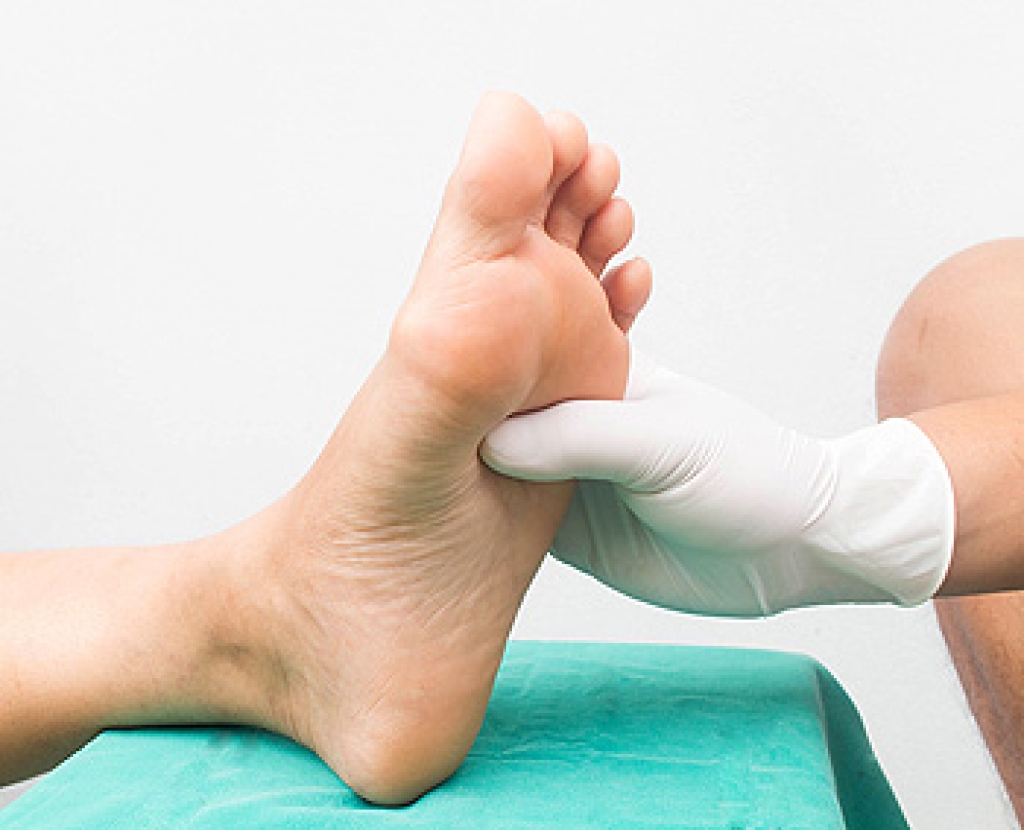
A plantar fibroma is a fibrous knot in the arch of the foot. It is embedded in the plantar fascia which is a band of tissue that extends from the heel to the toes along the bottom of the foot. There can be multiple plantar fibromas in the feet at the same time. There are no known causes for this condition. If you have a plantar fibroma, there will be a bump in the arch of your foot that cannot be missed. Any associated pain is most often due to a shoe rubbing against the nodule. Non-surgical options, such as steroid injections, physical therapy, and orthotics should be tried first. Surgery is a last resort and is the only thing that will remove a plantar fibroma entirely. Consult with a podiatrist for a proper diagnosis and to determine the treatment regimen that is right for you.

What Causes a Plantar Fibroma?

While there are no specific causes identified, a plantar fibroma can possibly come from genetic predisposition or the formation of scar tissue that forms from healing the tears in the plantar fascia.

What Are the Symptoms of a Plantar Fibroma?

There will be a noticeable lump in the arch of the foot that may or may not cause pain. If pain is felt, it is typically because a shoe is rubbing up against the lump or when walking or standing barefoot.

Treatment and Prevention

A plantar fibroma will not disappear without treatment, but it can get smaller and be a non-issue. If pain persists, a podiatrist examines the foot and when the arch of the foot is pressed, pain can be felt down to the toes. An MRI or biopsy might be performed to help diagnose or evaluate the plantar fibroma. The following non-surgical options are generally enough to reduce the size and pain of these nodules:

  • Steroid injections
  • Orthotics
  • Physical therapy to help apply anti-inflammatory creams on the bump 

Surgery is considered if the mass increases in size and the patient continues to feel pain after non-surgical methods are tried.

If you have any questions, please feel free to contact our office located in Wallace, ID . We offer the newest diagnostic and treatment technologies for all your foot care needs.
Read more about Plantar Fibroma

How Podiatrists Treat Achilles Tendon Injuries

Achilles tendon injuries affect the strong band of tissue that connects the calf muscles to the heel bone. This tendon helps the foot push off the ground while walking, running, or jumping. An injury can happen when the tendon is suddenly stressed or repeatedly strained. Achilles tendon problems include irritation, small tears, and a complete rupture, which means the tendon tears all the way through. Symptoms can include pain near the heel, swelling, and difficulty moving the foot normally. A sudden injury can also cause a popping or snapping feeling. People with an Achilles tendon injury may have trouble pushing off the foot or standing on their toes.

A podiatrist can evaluate an Achilles tendon injury by reviewing how the injury happened and examining the foot, ankle, and lower leg. The evaluation can include checking for swelling, tenderness, and changes in movement. A podiatrist can also assess how the tendon functions when the foot and ankle move. Treatment depends on the type and severity of the injury. Care can include protecting the injured tendon, using support to limit movement, and guiding a gradual return to normal activity. A podiatrist can explain the available treatment options and monitor the tendon as it heals. Proper treatment is important because returning to demanding activities too quickly can place additional stress on the injured tendon.

Achilles tendon injuries can make walking, exercise, and other activities difficult. A complete tendon tear can cause significant weakness and should be evaluated promptly. Pain that continues, swelling near the heel, or difficulty pushing off the foot can also indicate that the tendon needs professional evaluation. A podiatrist can determine the severity of the injury and develop a treatment plan based on your symptoms and examination. Early evaluation can help protect the tendon and support a safer recovery. If you have sustained an Achilles tendon injury, it is suggested that you schedule an appointment with a podiatrist for effective relief and treatment solutions. 

Achilles tendon injuries need immediate attention to avoid future complications. If you have any concerns, contact Joseph Creswell, DPM of Practice. Our practitioner can provide the care you need to keep you pain-free and on your feet.

What Is the Achilles Tendon?

The Achilles tendon is a tendon that connects the lower leg muscles and calf to the heel of the foot. It is the strongest tendon in the human body and is essential for making movement possible. Because this tendon is such an integral part of the body, any injuries to it can create immense difficulties and should immediately be presented to a doctor.

What Are the Symptoms of an Achilles Tendon Injury?

There are various types of injuries that can affect the Achilles tendon. The two most common injuries are Achilles tendinitis and ruptures of the tendon.

Achilles Tendinitis Symptoms

  • Inflammation
  • Dull to severe pain
  • Increased blood flow to the tendon
  • Thickening of the tendon

Rupture Symptoms

  • Extreme pain and swelling in the foot
  • Total immobility

Treatment and Prevention

Achilles tendon injuries are diagnosed by a thorough physical evaluation, which can include an MRI. Treatment involves rest, physical therapy, and in some cases, surgery. However, various preventative measures can be taken to avoid these injuries, such as:

  • Thorough stretching of the tendon before and after exercise
  • Strengthening exercises like calf raises, squats, leg curls, leg extensions, leg raises, lunges, and leg presses

If you have any questions please feel free to contact our office located in Wallace, ID . We offer the newest diagnostic tools and technology to treat your foot and ankle needs.

Read more about What are Achilles Tendon Injuries

Diabetic Foot and Its Hidden Risks

Diabetic foot affects individuals with diabetes and involves damage to the feet due to poor circulation and nerve impairment. Diabetes is often called Iceberg disease or Silent disease because many complications develop gradually without clear early warning signs. Over time, high blood sugar levels can damage blood vessels and nerves, especially in the lower extremities. This can reduce sensation and limit blood flow, making it harder for the body to heal even minor injuries. Understanding diabetic foot is essential for preventing complications and maintaining overall foot health.

Symptoms of diabetic foot may include numbness, tingling, burning sensations, or a loss of feeling in the feet. Some individuals may notice slow healing wounds, or swelling. Because nerve damage can reduce pain sensation, injuries may go unnoticed and worsen over time. Causes of diabetic foot are linked to prolonged high blood sugar levels that damage the vascular and nervous systems. Reduced circulation limits oxygen delivery to tissues, while nerve damage affects the ability to detect injury or pressure. This combination creates a higher risk of infection and tissue damage.


Risk factors for diabetic foot include poor blood sugar control, and wearing poorly-fitting shoes that create pressure points or friction. Additional risks involve smoking, limited mobility, and a history of foot ulcers or infections. High risk of infections is a major concern because even small cuts or blisters can become serious, if not treated promptly. The weakened immune response associated with diabetes can make it harder to fight infections, increasing the chance of complications like ulcers or more severe tissue damage.


Preventive care is essential for managing diabetic foot and reducing the risk of complications. Regular foot inspections, proper hygiene, and wearing well-fitted shoes can help protect the feet. If you have diabetes, it is strongly suggested that you are under the care of a podiatrist who can help you to manage this serious condition. 

Diabetic foot care is important in preventing foot ailments such as ulcers. If you are suffering from diabetes or have any other concerns about your feet, contact Joseph Creswell, DPM from Practice. Our practitioner can provide the care you need to keep you pain-free and on your feet.

Diabetic Foot Care

Diabetes affects millions of people every year. The condition can damage blood vessels in many parts of the body, especially the feet. Because of this, taking care of your feet is essential if you have diabetes, and having a podiatrist help monitor your foot health is highly recommended.

The Importance of Caring for Your Feet

  • Routinely inspect your feet for bruises or sores.
  • Wear socks that fit your feet comfortably.
  • Wear comfortable shoes that provide adequate support.

Patients with diabetes should have their doctor monitor their blood levels, as blood sugar levels play such a huge role in diabetic care. Monitoring these levels on a regular basis is highly advised.

It is always best to inform your healthcare professional of any concerns you may have regarding your feet, especially for diabetic patients. Early treatment and routine foot examinations are keys to maintaining proper health, especially because severe complications can arise if proper treatment is not applied.

If you have any questions, please feel free to contact our office located in Wallace, ID . We offer the newest diagnostic and treatment technologies for all your foot care needs.

Read more about Diabetic Foot Conditions
scroll to top